
Glosario.
El vocabulario de las zapatillas de running, explicado en claro. 22 palabras, sin dejar jerga por el camino.
Las 22 palabras, de la A a la Z.
Toca una, lee dos líneas y vuelve a correr.
Leído en tu vídeo.
Tu informe de fitting mide esto, izquierda y derecha. Esto es lo que significan los números.
Pronation
Your foot rolling inward as it lands. Everybody does it: it is how a foot absorbs a landing. Read per foot, in degrees.
Overpronation
Rolling in past the point where it helps. The reason stability shoes exist.
Supination
Rolling outward as you land. Less common, read on the same scale.
Knee alignment
Whether your knee tracks straight or drifts in or out as you land. Read per leg, from minus 10 to plus 10 degrees.
Pelvic drop
Your hip dipping on the side of the leg in the air. A few degrees is normal. More can point to tired glutes.
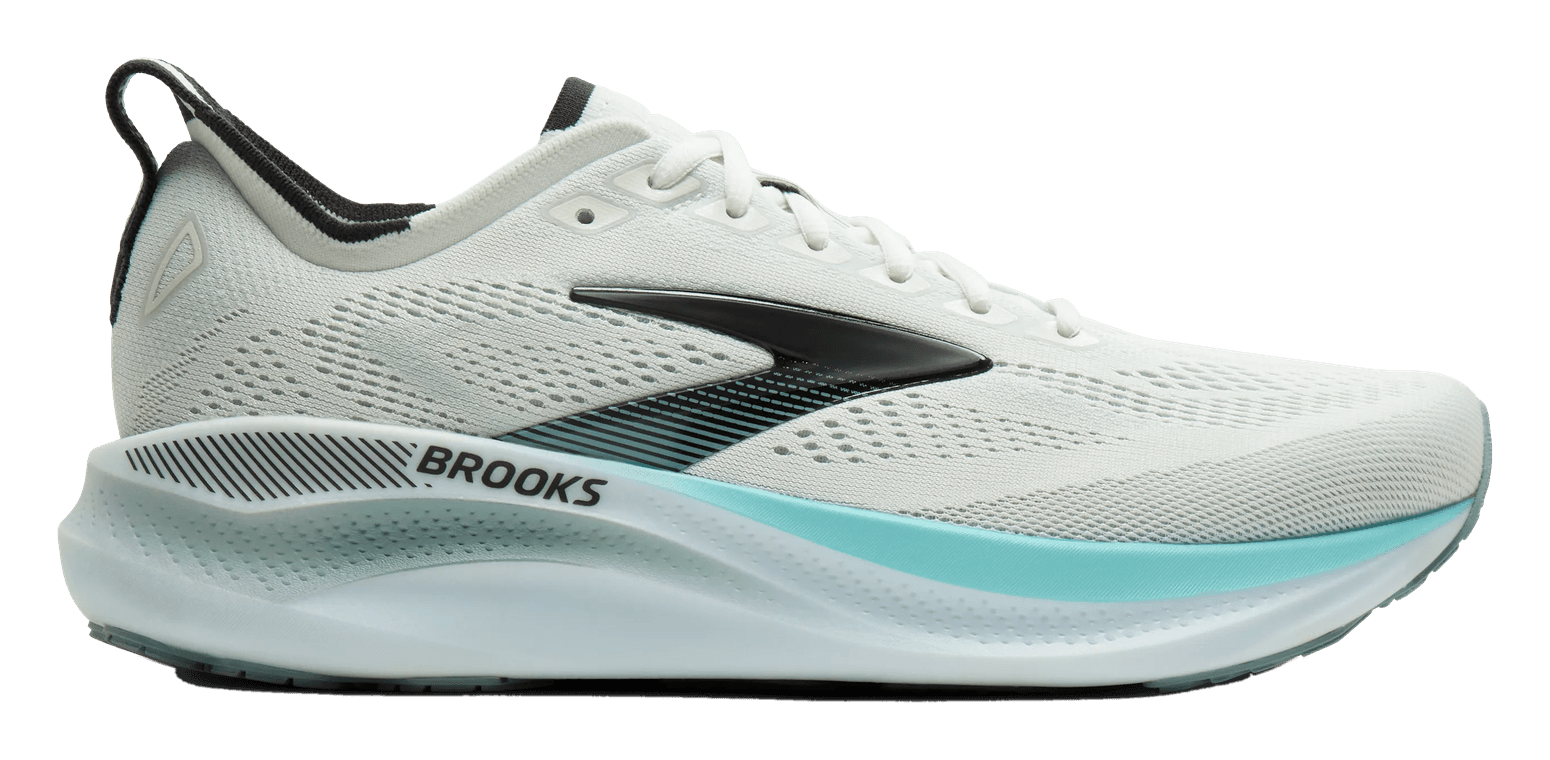
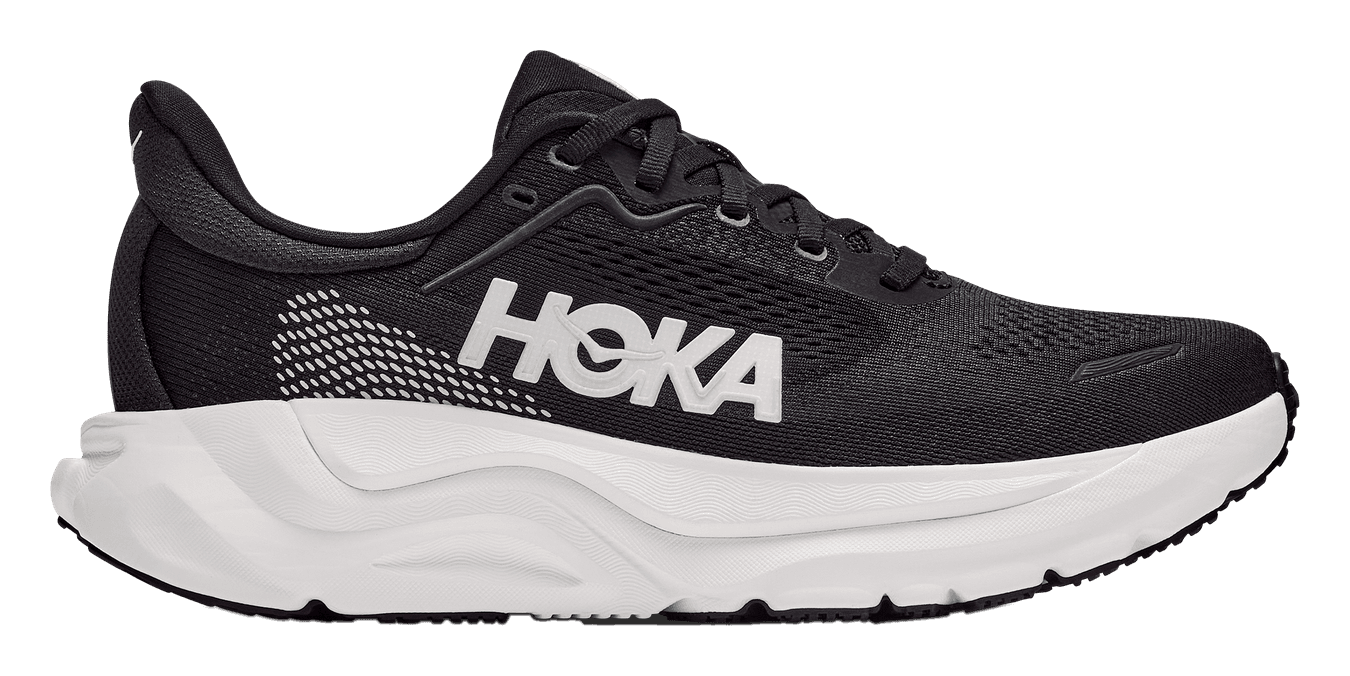
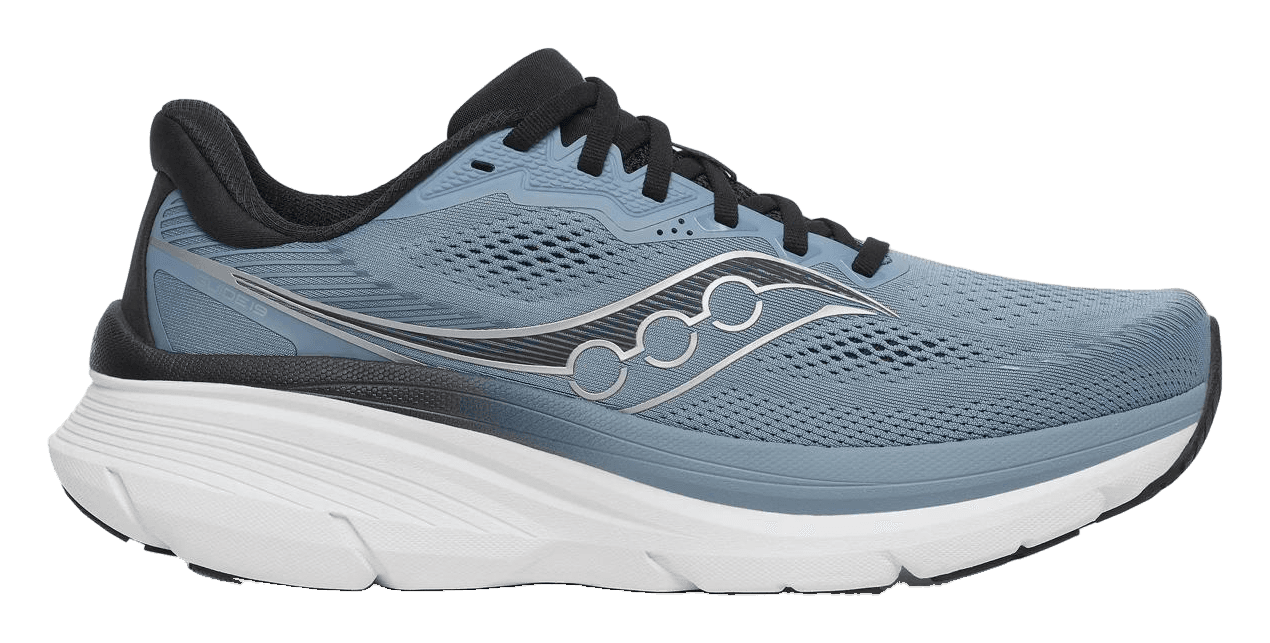
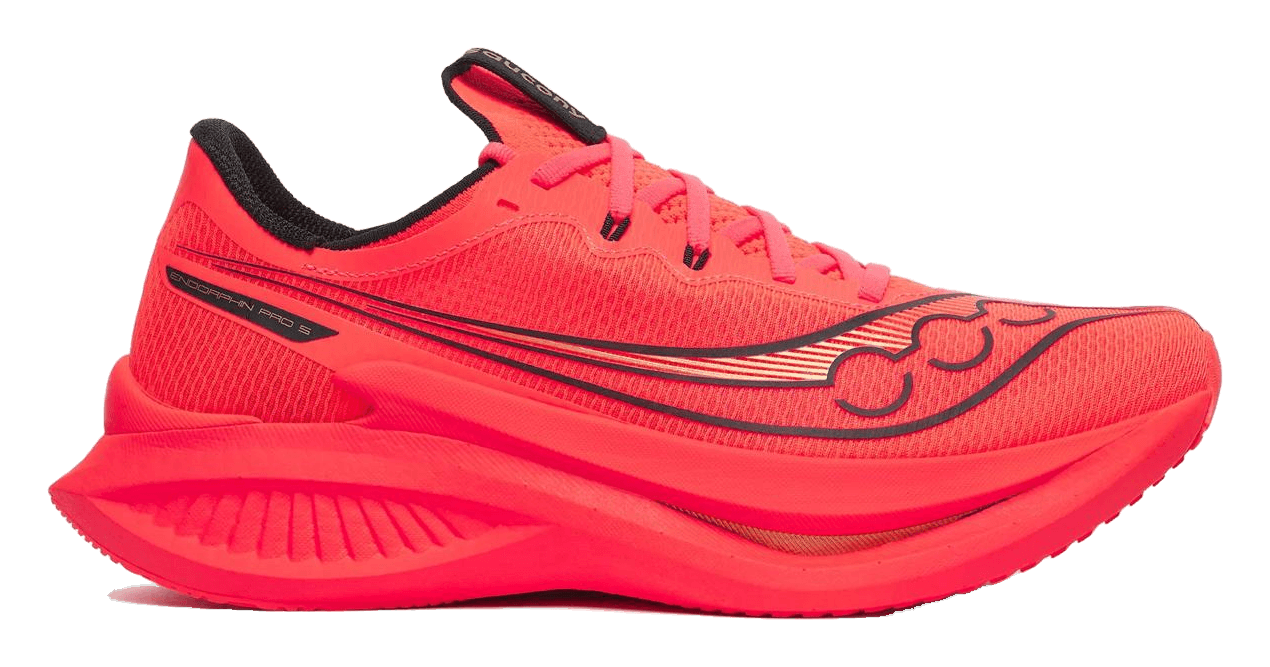

¿No sabes cuál es la tuya?
Diez segundos de vídeo valen más que diez páginas de suposiciones. Grábate corriendo de espaldas y recibe la selección de pares que va con tu forma real de correr.
El resto de la caja.
Palabras que te encuentras en etiquetas y en reseñas.
Cushioning
How much the shoe softens each landing. More is not always better: soft and wobbly tires you on a long run.
Foot strike
Which part of your foot lands first: heel, midfoot or forefoot. It shows from the side, so a back-view fitting leaves it out.
Gait
The way you walk and run: rhythm, lean, little habits. Your fitting reads the part that matters for shoes.
How a fitting worksGround contact time
How long each foot stays down, in milliseconds. Another side-view number, not in a back-view fitting.
Heel counter
The firm cup that holds your heel. A good one stops the slide. A bad one hands out blisters.
Midsole
The foam between you and the road. Cushioning, plates and rockers all live here.
Neutral shoe
No built-in support. Right for most runners whose foot does not roll in much.
Toe box
The front of the shoe, where your toes live. Room to spread is the whole point.
Upper
Everything above the sole: mesh, laces, tongue. It decides how the shoe holds you.
¿Falta alguna palabra?
¿Has visto algo en una caja de zapatillas que no tenía ningún sentido? Mándanoslo. Cada mes añadimos las buenas.
Sugerir una palabraEscrito por Sample author, revisado por Sample reviewer, sample credential. Actualizado el 7 de octubre de 2026.