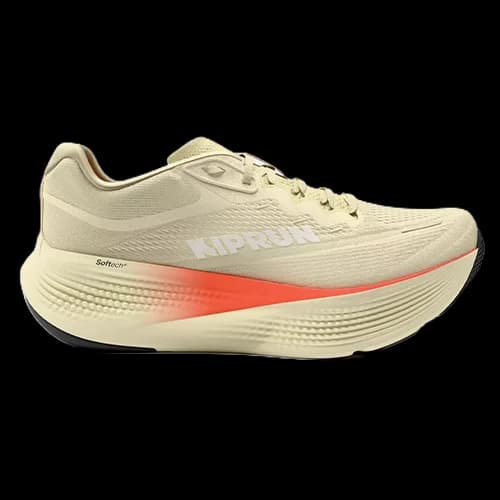
 Kiprun
Kipride Max
6 mm drop · 42 mm heel · 271 gKiprun Kipride Max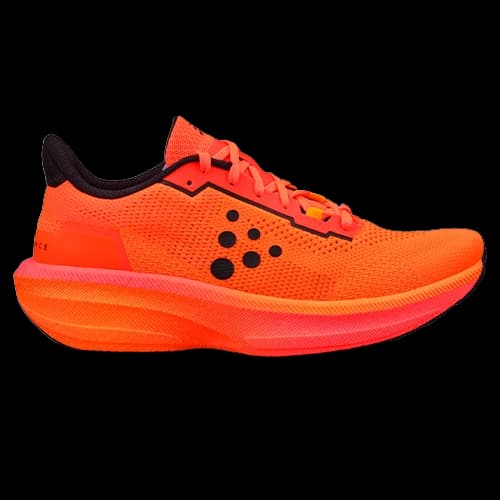 Craft
CraftEndurance 3
9 mm drop · 38 mm heel · 265 gCraft Endurance 3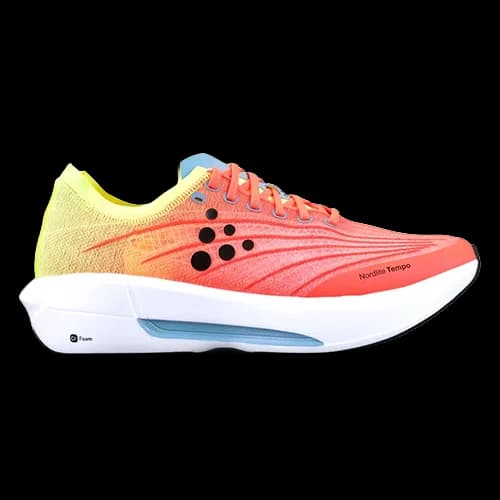 Craft
CraftNordlite Tempo
6 mm drop · 40 mm heel · 287 gCraft Nordlite Tempo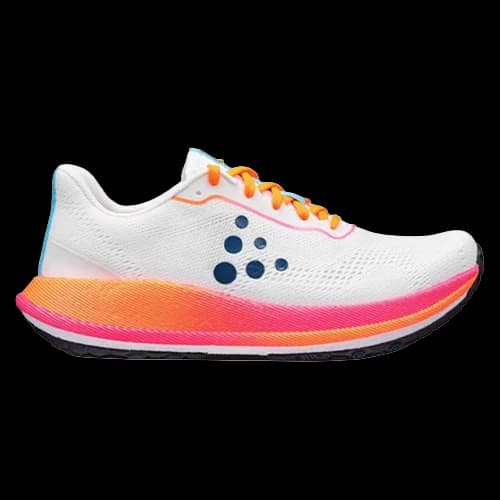 Craft
CraftPacer 2
6 mm drop · 39 mm heel · 290 gCraft Pacer 2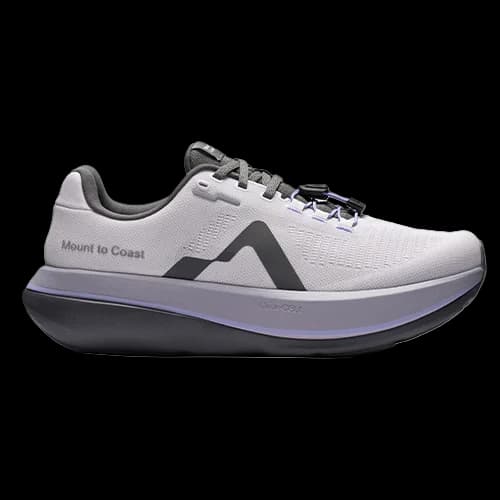 Mount to Coast
C1
6 mm drop · 42 mm heel · 260 gMount to Coast C1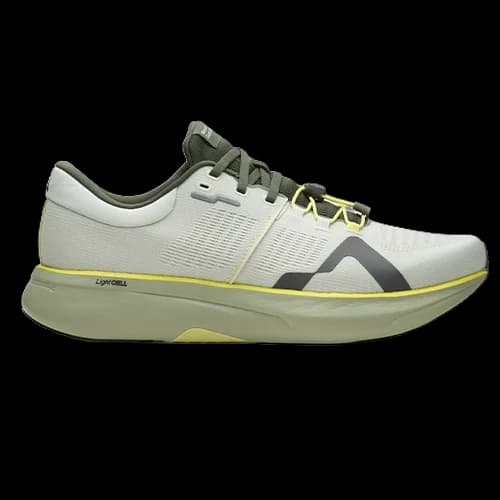 Mount to Coast
R1
8 mm drop · 35 mm heel · 241 gMount to Coast R1AI stride analysis
Which pair is your perfect fit?
10 seconds of video from behind. Your stride, measured. Your pairs, ranked.
Find my perfect fit- No app
- Any phone
- Report in minutes
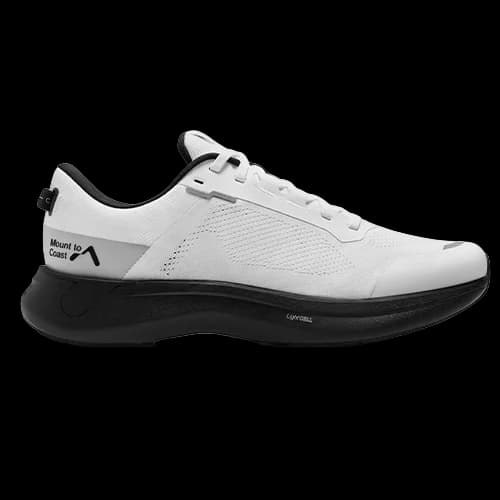 Mount to Coast
S1
Full specs coming soonMount to Coast S1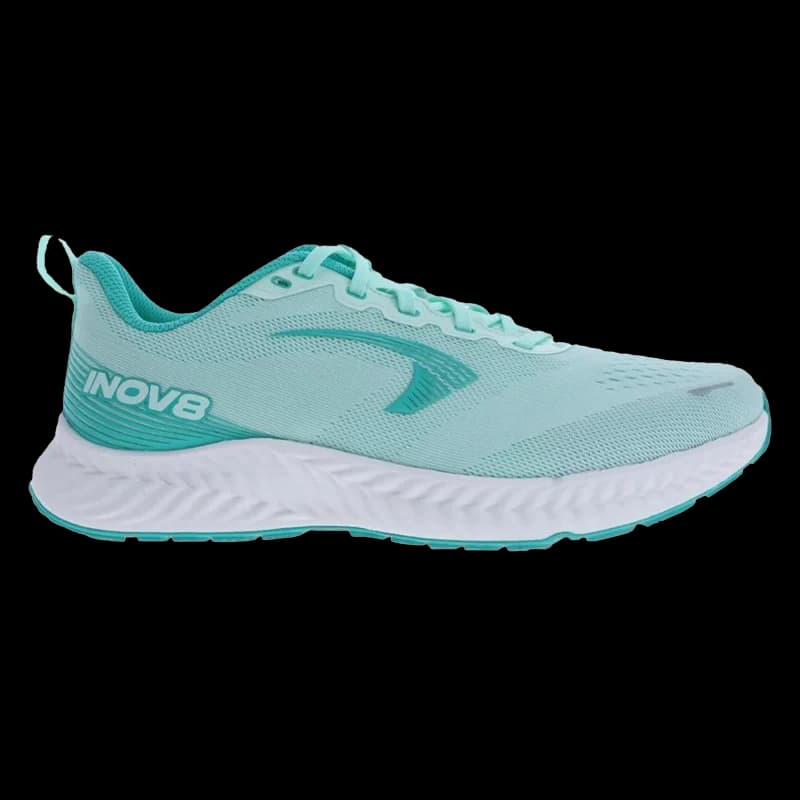 Inov-8
Roadfly
6 mm drop · 27 mm heel · 265 gInov-8 Roadfly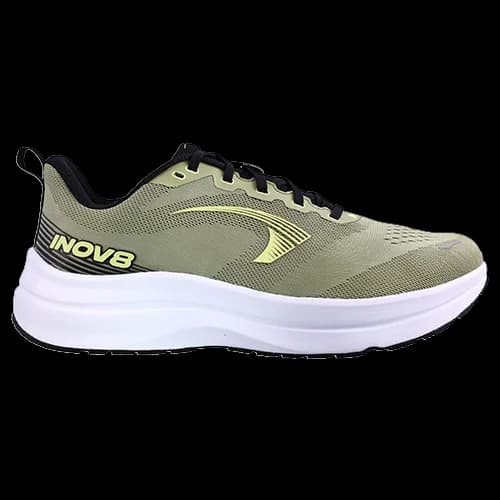 Inov-8
Roadfly Max
6 mm drop · 32 mm heel · 275 gInov-8 Roadfly Max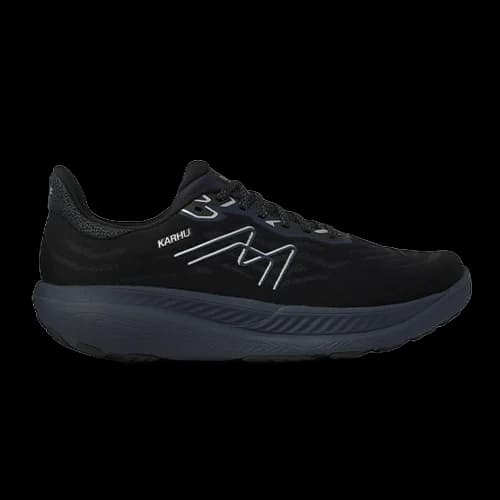 Karhu
KarhuIkoni 3.5
8 mm drop · 30 mm heel · 301 gKarhu Ikoni 3.5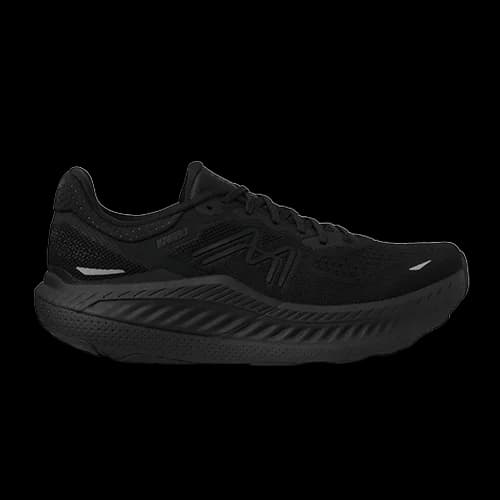 Karhu
KarhuMestari Run 2 0
8 mm drop · 34 mm heel · 340 gKarhu Mestari Run 2 0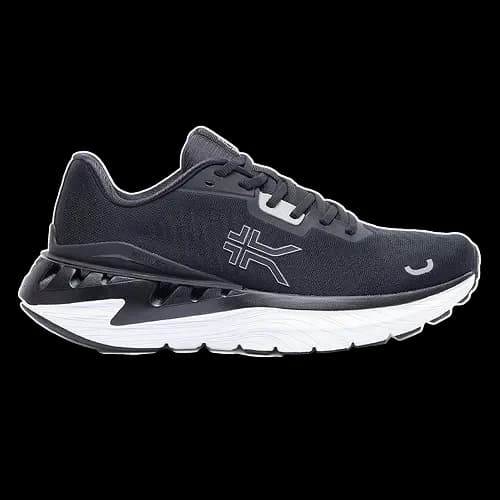 Kuru
KuruTriple Max Ion
6 mm drop · 411 gKuru Triple Max Ion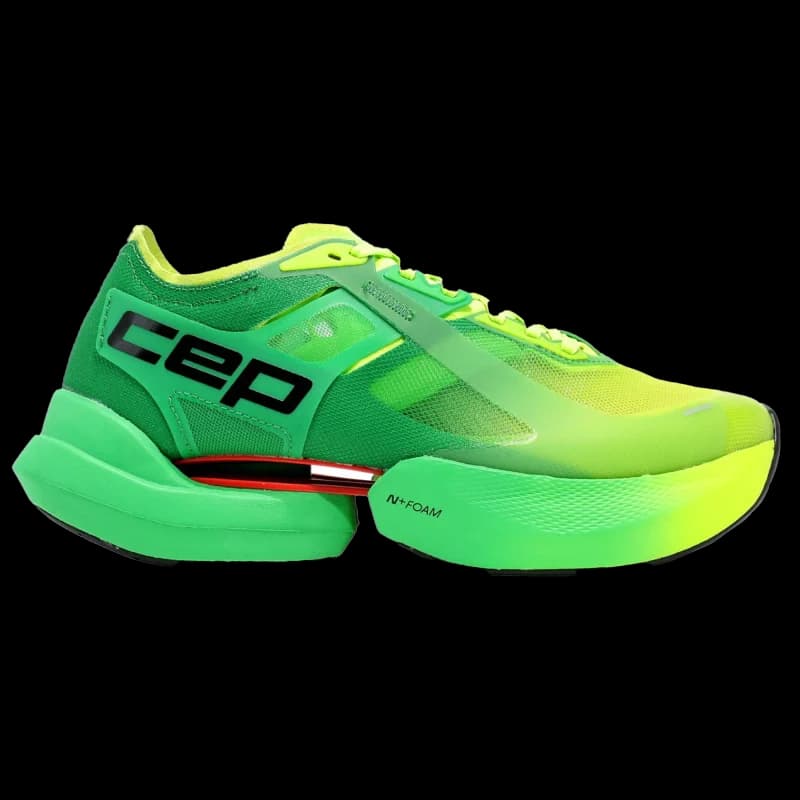 CEP
CEPOmnispeed
Full specs coming soonCEP Omnispeed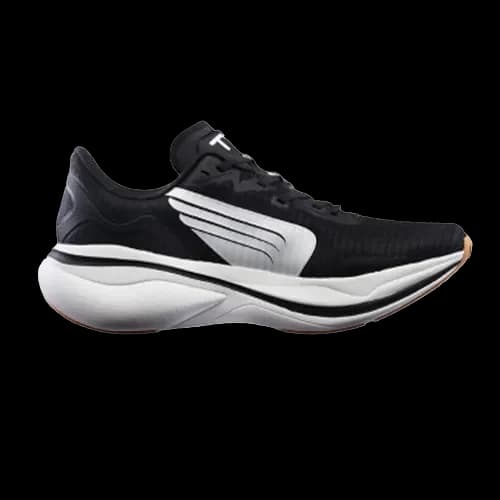 TYR
TYRMaverick v1 Runner
8 mm drop · 43 mm heel · 220 gTYR Maverick v1 Runner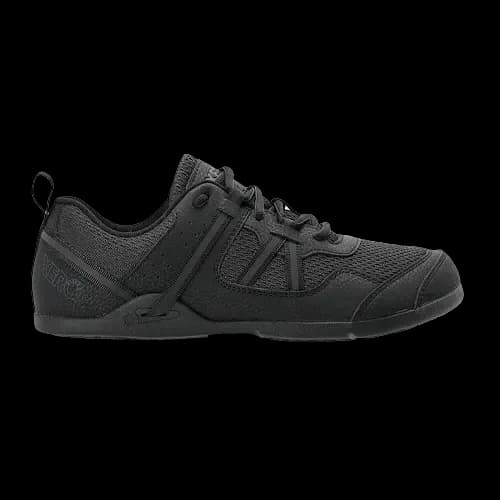 Xero Shoes
Prio
0 mm drop · 5.5 mm heel · 247 gXero Shoes Prio
Foam and drop, mapped.
Daily trainers range from firm and close to the ground to tall and soft. Right means firmer, up means more heel.
Before you choose.
The daily trainer does most of the work. Worth getting right.
What makes a good daily trainer?
Enough cushion for long runs, a drop that suits how you land, and support matched to how much your foot rolls in. Durability matters more than weight here.
Can a daily trainer be my only pair?
Yes, for most runners. A second pair only earns its place when you add regular fast sessions or races, where a lighter, livelier shoe helps.
How often should I replace it?
Somewhere around 600 to 900 km, depending on the foam and your weight. When the midsole feels flat or new aches appear, it is time.