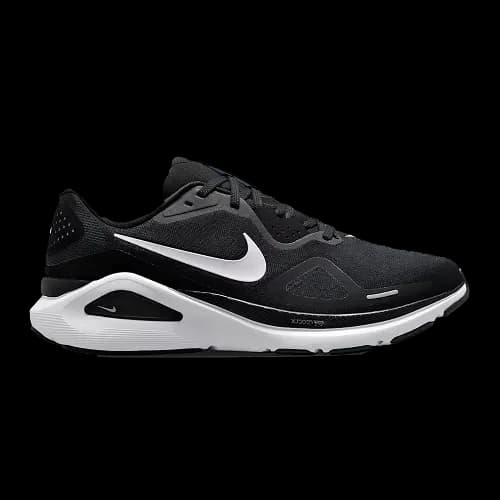
Nike Structure 26 review
Nike’s stability trainer, rebuilt on full-length ReactX foam: softer than the Structure 25, with guidance you feel at the midfoot rather than a hard post.
- Drop
- 10 mm
- Heel stack
- 38 mm
- Forefoot
- 28 mm
- Weight
- 295 g
- Support
- Stability
- Plate
- None
Our verdict
Quiet guidance for easy miles.
The Structure 26 is a moderate stability trainer with a softer ReactX ride, a classic 10 mm drop and very good durability, but it is heavy and slow to respond. It suits runners whose foot rolls in a little and who spend most of their time at easy pace, and where your foot lands decides how well its heel works for you.
Strong points
- Smoother, more cushioned ride than the Structure 25 thanks to ReactX
- Guidance that feels integrated, not rigid
- Outstanding durability: outsole wear well below average in lab testing
- Comfortable enough for walking and long days on your feet
Weak points
- Heavy for a modern stability trainer
- Heel transitions can feel clunky
- Below average grip on wet roads
- Thin forefoot cushioning for long distances
- Padded collar can press on the Achilles
- Narrow toe box in the lab
Who it fits
- Your foot rolls in a little
- Most of your running is easy
- You also walk or stand a lot
- You wore the Structure 25
Who should skip it
- You count every gram
- Your Achilles or heel is sensitive
- Your forefoot is wide
Shoe profile
Where the Structure 26 sits among the 395 shoes in our catalogue.
| Axis | Structure 26 |
|---|---|
| Cushioning | 43 |
| Lightness | 16 |
| Stability | 85 |
| Drop | 84 |
| Response | 6 |
Fig. 1 · How to read it. Each axis runs from 0 at the centre to 100 at the edge. Cushioning, lightness and drop are the shoe’s rank in the catalogue from listed figures; stability and response are scored from the support type, the plate, the rocker and the intended use. The dotted grey line is the catalogue median. Source: Strideprint catalogue (cat).
Where it sits in the catalogue
Weight295 g, heavier than 84% of shoes
Drop10 mm, higher than 84% of shoes
Heel stack38 mm, lower than 49% of shoes
Forefoot stack28 mm, lower than 72% of shoes
How it feels
Written from 2 published tests. We quote measurements, not impressions we did not have.
Softer than before, still sensible. Full-length ReactX makes the ride softer than the 25, with strong heel protection and noticeably less under the ball of the foot.
Guidance at the midfoot. Sidewalls, a wider midfoot and an internal band guide without locking the foot: moderate, well integrated, strongest at the inner midfoot.
Steady, not snappy. Steady rather than snappy, with moderate energy return. A small heel flare makes heel landings feel slightly clunky.
Softer than before, still sensible. The Structure 26 drops the Cushlon 3.0 and forefoot Zoom Air unit of the 25 for a full-length ReactX midsole, and Doctors of Running finds the ride softer as a result. Running Warehouse lists a stack height of 38 mm at the heel and 28 mm at the front, a 10 mm drop that RunRepeat’s measurements confirm at 10.1 mm. That is high for the category: in our catalogue, 35 of 49 road stability shoes have a lower listed drop.
RunRepeat measured the foam at 34.9 on the Asker C scale: a stable, comfortable cushioning underfoot rather than a plush one. It recorded strong impact protection at the heel and noticeably less under the ball of the foot, which matters for how you land.
Guidance at the midfoot. Support comes from Nike’s Midfoot Support System: a medial sidewall that wraps the arch, a lateral heel sidewall, a wider midfoot and an internal support band. Doctors of Running describes the result as moderate and integrated, strongest at the medial midfoot. Running Warehouse notes larger outsole rubber segments that widen the base.
RunRepeat measured moderate torsional stiffness and a shoe more flexible than a typical stability trainer, so it guides without feeling locked.
Steady, not snappy. Doctors of Running describes a smooth, mildly flexible forefoot that is no longer snappy, and a small heel flare that makes heel landings feel slightly clunky. RunRepeat measured moderate energy return.
That heel behaviour is the crux. If you land hard on your heel, you will feel it most; if you land closer to the midfoot, you will mostly feel the smooth front of the shoe.
Read more
Softer than before, still sensible. The Structure 26 drops the Cushlon 3.0 and forefoot Zoom Air unit of the 25 for a full-length ReactX midsole, and Doctors of Running finds the ride softer as a result. Running Warehouse lists a stack height of 38 mm at the heel and 28 mm at the front, a 10 mm drop that RunRepeat’s measurements confirm at 10.1 mm. That is high for the category: in our catalogue, 35 of 49 road stability shoes have a lower listed drop.
RunRepeat measured the foam at 34.9 on the Asker C scale: a stable, comfortable cushioning underfoot rather than a plush one. It recorded strong impact protection at the heel and noticeably less under the ball of the foot, which matters for how you land.
Guidance at the midfoot. Support comes from Nike’s Midfoot Support System: a medial sidewall that wraps the arch, a lateral heel sidewall, a wider midfoot and an internal support band. Doctors of Running describes the result as moderate and integrated, strongest at the medial midfoot. Running Warehouse notes larger outsole rubber segments that widen the base.
RunRepeat measured moderate torsional stiffness and a shoe more flexible than a typical stability trainer, so it guides without feeling locked.
Steady, not snappy. Doctors of Running describes a smooth, mildly flexible forefoot that is no longer snappy, and a small heel flare that makes heel landings feel slightly clunky. RunRepeat measured moderate energy return.
That heel behaviour is the crux. If you land hard on your heel, you will feel it most; if you land closer to the midfoot, you will mostly feel the smooth front of the shoe.
Which runs it’s for
| Run | Fit | Why | Source |
|---|---|---|---|
| Easy runs | Made for it | Where both reviews place it: steady, supported daily miles. | Doctors of Running, RunRepeat |
| Walking | Made for it | Comfortable and supportive for walking and long days standing. | Doctors of Running, RunRepeat |
| Recovery runs | Made for it | Calm and stable when your legs are tired. | Doctors of Running |
| Long runs | Can do | Fine for heel strikers; RunRepeat warns the forefoot may feel thin over long distances. | RunRepeat |
| Tempo | Not for it | Too heavy and not lively enough when the pace rises. | Doctors of Running, RunRepeat |
Source: Doctors of Running, RunRepeat
What the tests say
Doctors of Running and RunRepeat agree on a soft, durable stability trainer for easy pace that is heavy and not built for speed. They disagree on which foot strike it suits and on sizing.
| Test | Type | Our reading | In one sentence | Source |
|---|---|---|---|---|
| Doctors of Running | Review | Mixed | Doctors of Running gives B plus: a good update, far softer and more comfortable than before, though it still feels like something is missing. | Read |
| RunRepeat | Lab | Positive | RunRepeat scores it 85 out of 100, in its Great band, with a stability rating of 90 and a pointed, narrow toe box. | Read |
They agree
- Real support, gently deliveredDoctors of Running describes moderate, guidance-based stability; RunRepeat calls it a comfortable daily trainer with solid stability.
- A clear step up from the 25Both credit the full-length ReactX midsole with a softer, smoother ride than the previous version.
- DurableDoctors of Running saw minimal heel wear and expects durability above the norm; RunRepeat measured outsole wear well below its lab mean.
- Heavy and slow at paceRunRepeat flags the weight and Doctors of Running keeps it to easy miles rather than pace work.
They split
- Which landing it suitsRunRepeat recommends it to heel strikers and warns forefoot strikers about thin forefoot cushioning. Doctors of Running finds the heel transitions slightly clunky and says the geometry works best for those who land a little farther forward.
- SizingReaders voting on RunRepeat find it slightly small; Doctors of Running calls it true to size.
How it’s built
A classic stability build: a padded engineered mesh upper, a full-length ReactX midsole held by Nike’s Midfoot Support System, and a hard-wearing rubber outsole that leaves more foam exposed than earlier Structures. There is no plate.
Padded engineered mesh upper, a full-length ReactX midsole held by the Midfoot Support System, and a hard-wearing rubber outsole that leaves more foam exposed than earlier Structures. No plate.
| # | Part | Measure |
|---|---|---|
| 1 | UpperEngineered mesh | Breathability 58 BR |
| 2 | Tongue | 10.2 mm |
| 3 | Heel | Stiffness 3 / 5 |
| 4 | MidsoleReactX, Midfoot Support System | 34.9 AC |
| 5 | Insole | 3.9 mm |
| 6 | OutsoleHigh Abrasion Rubber | 3.2 mm |
Fig. 3 · Side profile. Stack heights to scale (listed: 38 mm heel, 28 mm forefoot; measured: 3.2 mm outsole); the split between the two foams is not measured and is drawn at mid-height. Dashed: insole, hidden. Sources: Running Warehouse, Doctors of Running, RunRepeat. BR: RunRepeat’s breathability scale (not a score out of 100).
Upper. A thick engineered mesh with overlays that hold the forefoot securely. Doctors of Running finds the volume normal and the fit normal to slightly snug. RunRepeat measured a toe box both narrow and low, 71.9 mm wide and 25.7 mm high, and limited breathability.
Tongue. Heavily padded: RunRepeat measured 10.2 mm of tongue padding, close to twice the norm in its lab. Doctors of Running describes it as gusseted while RunRepeat found no gusset, and Doctors of Running felt a scratchy patch under the tongue, so running without socks is not advised.
Heel. A thick heel collar over a heel counter of moderate stiffness, 3 out of 5 in RunRepeat’s test. Doctors of Running found the high padding pressed on the Achilles insertion. A mild heel bevel and a small rear flare shape the landing, which is why heel transitions can feel a little clunky.
Midsole. Full-length ReactX foam replaces the Cushlon 3.0 and forefoot Zoom Air unit of the Structure 25. RunRepeat measured it at 34.9 on the Asker C scale, a balanced softness for a stability training shoe. The Midfoot Support System is a sidewall that wraps the arch, paired with a lateral heel sidewall, an internal support band and a broad base under the arch. Both reviewers compare the feel to a well integrated medial post.
Insole. Removable, 3.9 mm thick in RunRepeat’s measurement and slightly flared to keep the foot centred. Doctors of Running notes it takes an orthotic, though it does not advise it.
Outsole. Black rubber covers the heel and midfoot, with segmented pods and deep flex grooves under the forefoot. The segments are larger than on the Structure 25, which widens the base, but more midsole is left bare. Traction scored 0.47 in RunRepeat’s slip test on concrete, below its 0.53 average. Doctors of Running finds it best on roads and smooth surfaces, average on wet pavement and unsuited to technical trails.
Read more
A classic stability build: a padded engineered mesh upper, a full-length ReactX midsole held by Nike’s Midfoot Support System, and a hard-wearing rubber outsole that leaves more foam exposed than earlier Structures. There is no plate.
1. Upper. A thick engineered mesh with overlays that hold the forefoot securely. Doctors of Running finds the volume normal and the fit normal to slightly snug. RunRepeat measured a toe box both narrow and low, 71.9 mm wide and 25.7 mm high, and limited breathability.
2. Tongue. Heavily padded: RunRepeat measured 10.2 mm of tongue padding, close to twice the norm in its lab. Doctors of Running describes it as gusseted while RunRepeat found no gusset, and Doctors of Running felt a scratchy patch under the tongue, so running without socks is not advised.
3. Heel. A thick heel collar over a heel counter of moderate stiffness, 3 out of 5 in RunRepeat’s test. Doctors of Running found the high padding pressed on the Achilles insertion. A mild heel bevel and a small rear flare shape the landing, which is why heel transitions can feel a little clunky.
4. Midsole. Full-length ReactX foam replaces the Cushlon 3.0 and forefoot Zoom Air unit of the Structure 25. RunRepeat measured it at 34.9 on the Asker C scale, a balanced softness for a stability training shoe. The Midfoot Support System is a sidewall that wraps the arch, paired with a lateral heel sidewall, an internal support band and a broad base under the arch. Both reviewers compare the feel to a well integrated medial post.
5. Insole. Removable, 3.9 mm thick in RunRepeat’s measurement and slightly flared to keep the foot centred. Doctors of Running notes it takes an orthotic, though it does not advise it.
6. Outsole. Black rubber covers the heel and midfoot, with segmented pods and deep flex grooves under the forefoot. The segments are larger than on the Structure 25, which widens the base, but more midsole is left bare. Traction scored 0.47 in RunRepeat’s slip test on concrete, below its 0.53 average. Doctors of Running finds it best on roads and smooth surfaces, average on wet pavement and unsuited to technical trails.
Durability. Better than most. RunRepeat’s Dremel test left 0.6 mm of outsole damage where its lab typically sees 1.1 mm, on a 3.2 mm thick outsole, and the heel padding scored 4 out of 5 for wear. Doctors of Running saw almost no heel wear after 30 miles, with slightly more on the forefoot pods.
Durability. Better than most. RunRepeat’s Dremel test left 0.6 mm of outsole damage where its lab typically sees 1.1 mm, on a 3.2 mm thick outsole, and the heel padding scored 4 out of 5 for wear. Doctors of Running saw almost no heel wear after 30 miles, with slightly more on the forefoot pods.
Specs, listed and measured
Every figure carries its source.
Heel stack, mm
Forefoot stack, mm
Drop, mm
Weight (men’s), g
| Spec | Listed | Measured |
|---|---|---|
| Drop |
|
|
| Heel stack |
|
|
| Forefoot stack |
|
|
| Weight, US M9 |
|
|
| Support |
| – |
| Plate |
| – |
| Surface |
| – |
Fig. 4 · Listed vs measured. Bars start at zero. Sources: Running Warehouse, RunRepeat.
Lab measurements
| Spec | Measured |
|---|---|
| Midsole hardness |
|
| Energy return (heel) |
|
| Torsional rigidity |
|
| Heel counter stiffness |
|
| Traction coefficient |
|
| Breathability |
|
| Spec | Measured |
|---|---|
| Toe box width |
|
| Toe box height |
|
| Outsole thickness |
|
| Insole thickness |
|
| Tongue thickness |
|
| Flex force |
|
BR: RunRepeat’s breathability scale (not a score out of 100).
Sizing and fit
Most runners can take their usual size; if you are between sizes, go up half a size.
Length
Mixed reports
Widths
standard, wide, and extra wide
Toe room
Toe room is the weak point. RunRepeat found a toe box below average in width and low, with a pointed shape, and Doctors of Running calls it slightly tapered and best for normal to narrow feet.
Doctors of Running, RunRepeat
Full sizing notes from testers
Doctors of Running calls the fit true to size with a normal volume, a little snug at the forefoot. RunRepeat’s reader vote says slightly small, and its lab measurements show a narrower than average toe box and a low toe box height.
If your forefoot is wide or you sit between sizes, try half a size up as well as your usual size.
RunRepeat lists Narrow, Normal, Wide and X-Wide. Running Warehouse only shows the standard D width, and we found no European listing of the wide versions.
Doctors of Running, RunRepeat, Running Warehouse
Vs Structure 25
A full foam swap and a cleaner upper make the 26 softer and smoother than the 25, without changing its role.
Keep your Structure 25 if you like a firmer, snappier forefoot or if the new padded collar would bother your Achilles. Move to the 26 if you want a softer ride for easy miles and walking.
Version history: Structure 25 to Structure 26
Full-length ReactX midsole. Replaces the firmer ride of the 25, which Doctors of Running and RunRepeat both see as the main improvement. (Doctors of Running, RunRepeat)
Forefoot Zoom Air unit removed. Doctors of Running notes the forefoot is smoother but no longer snappy. (Doctors of Running)
Larger rubber segments. Running Warehouse describes a wider base from bigger outsole segments; RunRepeat notes less rubber coverage overall. (RunRepeat, Running Warehouse)
Streamlined upper. Doctors of Running describes a streamlined upper with a thick gusseted tongue and heavy collar padding. (Doctors of Running)
Alternatives compared
Each one fixes one thing the Structure 26 does not do.
| Nike Structure 26 | 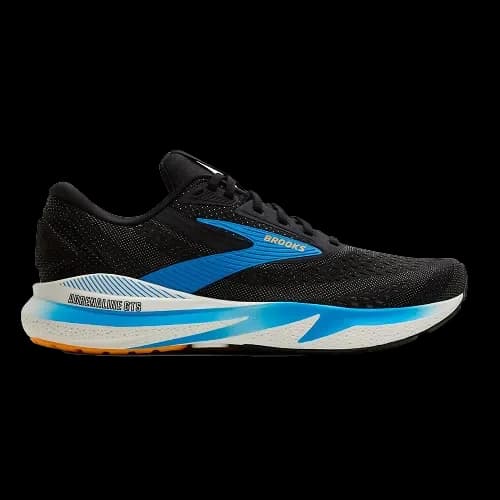 Brooks Adrenaline GTS 24 Brooks Adrenaline GTS 24 | 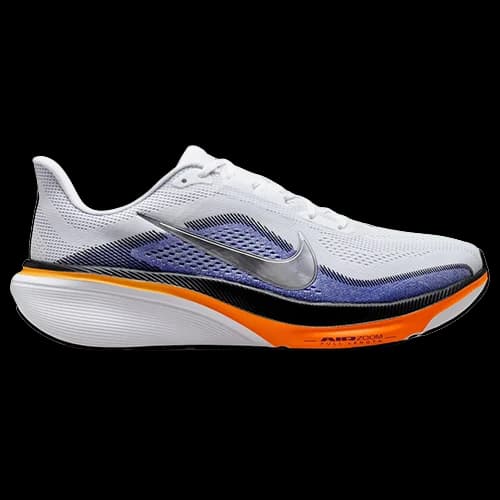 Nike Pegasus 42 Nike Pegasus 42 | 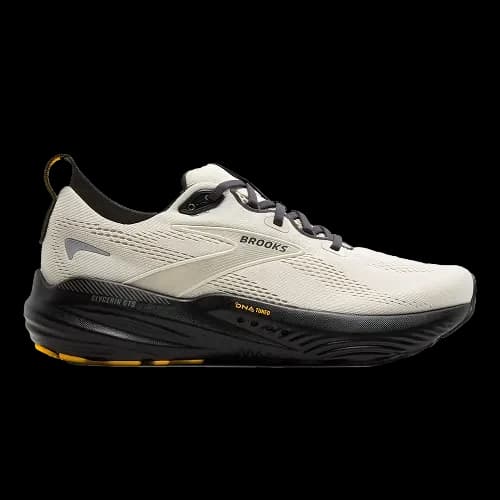 Brooks Glycerin GTS 22 Brooks Glycerin GTS 22 | 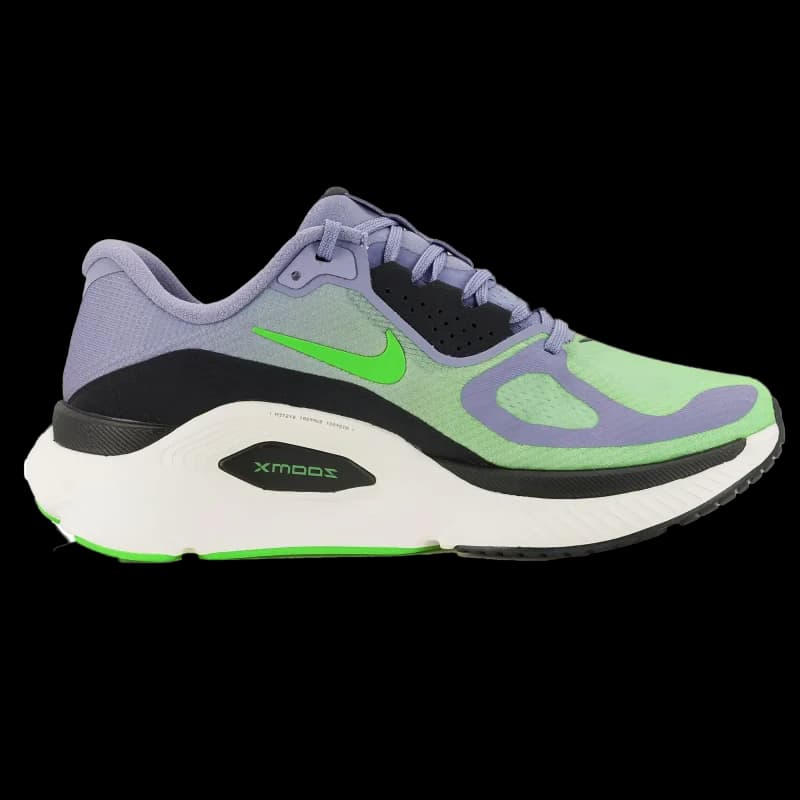 Nike Structure Plus Nike Structure Plus | |
|---|---|---|---|---|---|
| Pick it for | This page | Higher drop | Less stable | More cushion | More cushion |
| Drop | 10 mm | 12 mm | 10 mm | 10 mm | 10 mm |
| Heel stack | 38 mm | 39 mm | 37 mm | 39 mm | 42 mm |
| Weight | 295 g | 284 g | 292 g | 303 g | 309 g |
| Support | Stability | Stability | Neutral | Stability | Stability |
Questions runners ask
Is the Nike Structure 26 a stability running shoe?
Yes. The Structure 26 offers moderate stability through Nike’s Midfoot Support System: a medial sidewall, a lateral heel sidewall, a wider midfoot and an internal support band. Doctors of Running describes it as guidance-based rather than rigid: it steers the foot rather than blocking its motion.
What changed from the Structure 25?
The Structure 26 switches from Cushlon 3.0 to a full-length ReactX midsole and drops the forefoot Zoom Air unit, giving a softer ride. Running Warehouse notes larger rubber segments for a wider base, and Doctors of Running describes a streamlined upper with more collar padding. RunRepeat finds the new model leaves more foam exposed on the outsole.
Does the Structure 26 fit true to size?
Opinions differ. Doctors of Running finds it true to size and a little snug at the forefoot, while RunRepeat readers vote it slightly small and its lab measured a narrow toe box. If you are between sizes or have a wide forefoot, try half a size up.
Structure 26 or Pegasus 42?
Both are Nike daily trainers with a 10 mm drop. The Structure 26 adds midfoot guidance and weight; the Pegasus 42 is a neutral running shoe. If your foot rolls in a little, the Structure is the safer bet. If it does not, the Pegasus does the same job with less shoe.
Is the Structure 26 good for flat feet?
Flat feet do not always mean your foot rolls in when you run. If it does, the Structure 26’s moderate midfoot guidance can help it feel steadier. RunRepeat’s brand specs list it for low arches. Check how your foot actually moves before choosing a stability shoe.
Is the Structure 26 available in wide?
RunRepeat lists Narrow, Normal, Wide and X-Wide. Running Warehouse shows only the standard D width, so availability varies by retailer and country.
What surfaces is the Nike Structure 26 made for?
Roads and smooth paths. Doctors of Running finds traction fine on dry surfaces and average on wet pavement, and RunRepeat measured grip below its average on concrete. It is not a shoe for technical trails.
Sources
- Doctors of Running, Nike Structure 26 Review. Accessed Oct 9, 2026.
- RunRepeat, Nike Structure 26 lab review. Accessed Oct 9, 2026.
- Running Warehouse, Nike Structure 26 Men’s Shoes. Accessed Oct 9, 2026.
- Strideprint, Strideprint running shoe catalogue (ranks computed on 2026-10-11). Accessed Oct 11, 2026.
- nike.com · Drop, Support, and Surface, listed
- cat: Strideprint catalogue, 395 shoes
How we review. We read published tests, brand and retailer pages and lab measurements, cross-check the figures and flag where they disagree. We did not test this shoe ourselves. Last updated October 12, 2026.