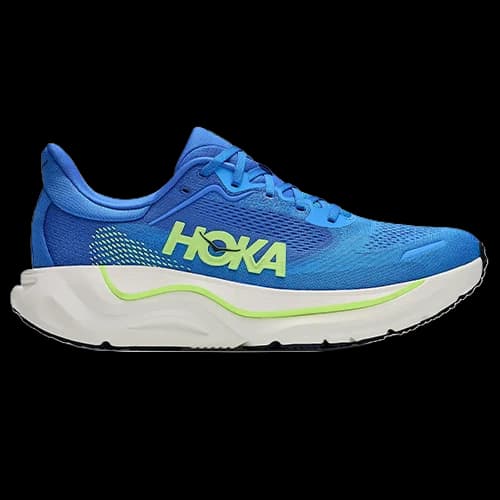
Hoka Arahi 9 review
Hoka’s everyday guidance shoe gets an enhanced H-Frame, more flex and better grip. Only one full test is out so far, and the published specs do not agree with each other.
- Drop
- 8 mm
- Heel stack
- 39 mm
- Forefoot
- 31 mm
- Weight
- 284 g
- Support
- Stability
- Plate
- None
Our verdict
Guidance that stays soft.
The Arahi 9 is a rockered guidance trainer that steadies the foot with denser foam along the sides rather than a rigid post, on a soft ride. It suits heel strikers whose foot rolls in a little and who run easy or walk a lot, more than runners looking for pace or strong support.
Strong points
- Stable without feeling stiff or overbuilt
- Very low outsole wear in the lab
- Better grip on wet roads than the Arahi 8
- Three widths: regular, wide and extra wide
Weak points
- Low energy return in the lab
- About 8 percent heavier than the Arahi 8
- Narrower toe box than average
- Non-gusseted tongue
Who it fits
- Your foot rolls in a little
- You land on your heel
- Most of your running is easy, and you walk too
- You have a sensitive heel
Who should skip it
- Your foot rolls in a lot
- You want a lively shoe
- Your forefoot is wide in a standard width
- You land on your forefoot
Shoe profile
Where the Arahi 9 sits among the 395 shoes in our catalogue, and what changed from the Arahi 8.
| Axis | Arahi 9 | Arahi 8 | Change |
|---|---|---|---|
| Cushioning | 52 | 75 | −23 |
| Lightness | 26 | 50 | −24 |
| Stability | 85 | 85 | = |
| Drop | 45 | 45 | = |
| Response | 6 | 20 | −14 |
Fig. 1 · How to read it. Each axis runs from 0 at the centre to 100 at the edge. Cushioning, lightness and drop are the shoe’s rank in the catalogue from listed figures; stability and response are scored from the support type, the plate, the rocker and the intended use. The dotted grey line is the catalogue median. Source: Strideprint catalogue (cat).
Where it sits in the catalogue
Weight284 g, heavier than 74% of shoes
Drop8 mm, higher than 45% of shoes
Heel stack39 mm, higher than 52% of shoes
Forefoot stack31 mm, lower than 49% of shoes
How it feels
Written from 2 published tests. We quote measurements, not impressions we did not have.
Soft in the middle. Soft dual-density EVA, denser at the edges. RunRepeat measured the foam a little softer than average.
Guidance from the frame, not a post. Denser side foam guides the foot toward the centre without a rigid post. Light guidance only; strong overpronators are pointed to the Gaviota 6.
Smooth, not springy. Low lab energy return (47.0 percent at the heel). Smooth rocker roll and more flex than the Arahi 8, but no reward for speed.
Soft in the middle. The midsole is dual-density compression-molded EVA: soft underfoot, denser at the edges. Running Warehouse and Fleet Feet both describe soft cushioning, and Fleet Feet list a stack height of 39 mm at the heel and 31 mm at the forefoot.
RunRepeat measured the foam at 32.9 on the AC scale, a little softer than average.
Guidance from the frame, not a post. The enhanced H-Frame technology puts denser foam along both sides to guide the foot toward the centre of the shoe through the gait cycle, and Fleet Feet note a tighter mesh along the inside of the upper. RunRepeat rate it highly for stability and found the support unobtrusive.
That makes it a light-guidance shoe. For a foot that collapses inward a lot, RunRepeat point to the Gaviota 6.
Smooth, not springy. RunRepeat measured 47.0 percent energy return at the heel, well below average, and call it disappointing again. The rocker gives a smooth heel-to-toe roll, and the shoe flexes more than the Arahi 8, but it does not reward faster running.
Read more
Soft in the middle. The midsole is dual-density compression-molded EVA: soft underfoot, denser at the edges. Running Warehouse and Fleet Feet both describe soft cushioning, and Fleet Feet list a stack height of 39 mm at the heel and 31 mm at the forefoot.
RunRepeat measured the foam at 32.9 on the AC scale, a little softer than average.
Guidance from the frame, not a post. The enhanced H-Frame technology puts denser foam along both sides to guide the foot toward the centre of the shoe through the gait cycle, and Fleet Feet note a tighter mesh along the inside of the upper. RunRepeat rate it highly for stability and found the support unobtrusive.
That makes it a light-guidance shoe. For a foot that collapses inward a lot, RunRepeat point to the Gaviota 6.
Smooth, not springy. RunRepeat measured 47.0 percent energy return at the heel, well below average, and call it disappointing again. The rocker gives a smooth heel-to-toe roll, and the shoe flexes more than the Arahi 8, but it does not reward faster running.
Which runs it’s for
| Run | Fit | Why | Source |
|---|---|---|---|
| Easy runs | Made for it | RunRepeat score it well for daily running. | RunRepeat |
| Walking | Made for it | Fleet Feet pitch it to walkers and everyday wear. | Fleet Feet |
| Recovery runs | Made for it | Soft and steady on tired legs. | RunRepeat, Running Warehouse |
| Long runs | Can do | Comfortable and durable; the weight and low energy return show over distance. | RunRepeat |
| Tempo | Not for it | RunRepeat score it low for tempo work. | RunRepeat |
Source: RunRepeat, Fleet Feet, Running Warehouse
What the tests say
Provisional, one full published test so far: RunRepeat’s lab review of 18 September 2026. Runnea’s rating sheet and the retailers’ descriptions line up with it on the main point, soft and steady guidance for easy running.
| Test | Type | Our reading | In one sentence | Source |
|---|---|---|---|---|
| RunRepeat | Lab | Mixed | Scored 79 out of 100: praised for stability, comfort and durable rubber on easy miles, marked down for low rebound and a tapered toe box. | Read |
They agree
- Stable without rigidityRunRepeat found it stable without a stiff feel, Runnea present it as support without the rigid corrective systems of older stability shoes, and Fleet Feet describe it the same way.
- Built for easy milesRunRepeat score it for daily running, not tempo; Runnea’s rating sheet places it at paces slower than 5:30 per km, from 10 km to the half marathon; Fleet Feet aim it at daily miles and everyday wear.
They split
- Stack and weightRunning Warehouse list 41 mm and 33 mm and 275 g in a men’s US 9; Fleet Feet and the brand figures quoted by RunRepeat give 39 mm and 31 mm and 284 g. RunRepeat’s lab measured 38.0 mm and 27.7 mm and 278 g.
How it’s built
A two-layer EVA midsole shaped into an enhanced H-Frame, an engineered mesh upper that is tighter on the medial side, and a podular outsole of rubber pods over exposed foam.
A two-layer EVA midsole with firmer side walls, a tighter-woven medial mesh, a padded but non-gusseted tongue and rubber pods over exposed foam. Standout lab result: very low outsole wear.
| # | Part | Measure |
|---|---|---|
| 1 | UpperEngineered mesh | – |
| 2 | Tongue | 8.0 mm |
| 3 | Heel | Stiffness 3 / 5 |
| 4 | MidsoleDual-density CMEVA, enhanced H-Frame | 32.9 AC |
| 5 | Insole | 4.4 mm |
| 6 | OutsoleSuper abrasion rubber, podular design | 3.5 mm |
Fig. 3 · Side profile. Stack heights to scale (listed: 39 mm heel, 31 mm forefoot; measured: 3.5 mm outsole); the split between the two foams is not measured and is drawn at mid-height. Dashed: insole, hidden. Sources: RunRepeat, Fleet Feet, Running Warehouse.
Upper. The engineered mesh, plush and padded around the collar and tongue, is woven tighter along the medial side for added support, and RunRepeat found it holds the foot well laterally. Running Warehouse describe a fit roomy enough for all-day comfort with a snug hold around the arch.
Tongue. The tongue carries 8 mm of padding from top to bottom but is not gusseted, which RunRepeat count as a miss. The lacing is asymmetric: punched eyelets on one side, two lace loops on the other to ease pressure on the top of the foot.
Heel. The heel counter is moderately stiff, 3 out of 5 in RunRepeat’s test, and ends in HOKA’s small extended heel tab, which keeps pressure off the Achilles. Running Warehouse note added padding around the collar.
Midsole. Two layers of compression-molded EVA: RunRepeat measured the lower layer soft (32.9 AC) and the upper layer much harder (46.2 AC). The harder foam is molded into an H shape that braces both sides of the foot while the centre stays soft. The lab also found the foam 23 percent harder after 20 minutes in a freezer, so expect a stiffer feel in cold weather.
Insole. A removable insole of recycled foam, 4.4 mm thick in RunRepeat’s measurement, easy to swap for your own.
Outsole. Thick pods of super abrasion rubber sit over exposed CMEVA, the same podular outsole design as the Arahi 8, which Fleet Feet credit with keeping transitions smooth. The rubber compound is new: RunRepeat measured a friction coefficient of 0.64 against a 0.53 average, enough for wet roads.
Read more
A two-layer EVA midsole shaped into an enhanced H-Frame, an engineered mesh upper that is tighter on the medial side, and a podular outsole of rubber pods over exposed foam.
1. Upper. The engineered mesh, plush and padded around the collar and tongue, is woven tighter along the medial side for added support, and RunRepeat found it holds the foot well laterally. Running Warehouse describe a fit roomy enough for all-day comfort with a snug hold around the arch.
2. Tongue. The tongue carries 8 mm of padding from top to bottom but is not gusseted, which RunRepeat count as a miss. The lacing is asymmetric: punched eyelets on one side, two lace loops on the other to ease pressure on the top of the foot.
3. Heel. The heel counter is moderately stiff, 3 out of 5 in RunRepeat’s test, and ends in HOKA’s small extended heel tab, which keeps pressure off the Achilles. Running Warehouse note added padding around the collar.
4. Midsole. Two layers of compression-molded EVA: RunRepeat measured the lower layer soft (32.9 AC) and the upper layer much harder (46.2 AC). The harder foam is molded into an H shape that braces both sides of the foot while the centre stays soft. The lab also found the foam 23 percent harder after 20 minutes in a freezer, so expect a stiffer feel in cold weather.
5. Insole. A removable insole of recycled foam, 4.4 mm thick in RunRepeat’s measurement, easy to swap for your own.
6. Outsole. Thick pods of super abrasion rubber sit over exposed CMEVA, the same podular outsole design as the Arahi 8, which Fleet Feet credit with keeping transitions smooth. The rubber compound is new: RunRepeat measured a friction coefficient of 0.64 against a 0.53 average, enough for wet roads.
Durability. Durability is the Arahi 9’s strongest lab result: RunRepeat’s Dremel removed only 0.3 mm from 3.5 mm of outsole rubber. The toe box mesh passed their test (3 out of 5) and the heel lining scored 4 out of 5. The sources we read give no mileage figure yet.
Durability. Durability is the Arahi 9’s strongest lab result: RunRepeat’s Dremel removed only 0.3 mm from 3.5 mm of outsole rubber. The toe box mesh passed their test (3 out of 5) and the heel lining scored 4 out of 5. The sources we read give no mileage figure yet.
Specs, listed and measured
Every figure carries its source.
Heel stack, mm
Forefoot stack, mm
Drop, mm
Weight (men’s), g
| Spec | Listed | Measured |
|---|---|---|
| Drop |
|
|
| Heel stack |
|
|
| Forefoot stack |
|
|
| Weight |
|
|
| Support |
| – |
| Plate |
| – |
| Surface |
| – |
Fig. 4 · Listed vs measured. Bars start at zero. Sources: RunRepeat, Fleet Feet, Running Warehouse.
Lab measurements
| Spec | Measured |
|---|---|
| Energy return (heel) |
|
| Heel counter stiffness |
|
| Traction coefficient |
|
| Toe box width |
|
| Toe box height |
|
| Spec | Measured |
|---|---|
| Outsole thickness |
|
| Insole thickness |
|
| Tongue padding |
|
| Flexibility (bending force) |
|
| Midsole hardness |
|
Sizing and fit
Take your usual size; choose the width carefully, because the standard toe box is on the narrow side.
Length
True to size
Widths
standard, wide, and extra wide
Toe room
RunRepeat measured the toe box at 70.5 mm, narrower than average, and warn that the tapered shape will not suit every foot. Wide and extra-wide versions exist.
RunRepeat, Fleet Feet
Full sizing notes from testers
RunRepeat’s small reader vote says true to size, and their lab measured an internal length slightly above average.
The toe box measured 70.5 mm, narrower than average. Fleet Feet offer regular, wide (2E) and extra wide (4E); Running Warehouse list regular and wide only. Which widths reach Europe varies by retailer.
RunRepeat, Fleet Feet, Running Warehouse
Vs Arahi 8
More flexible, better grip and a reworked upper, at the cost of some weight. Not livelier.
| Arahi 9 | Arahi 8 | |
|---|---|---|
| Support | Stability | Stability |
| Drop | 8 mm | 8 mm |
| Heel stack | 39 mm | 41 mm |
| Forefoot | 31 mm | 33 mm |
| Weight | 284 g | 264 g |
Keep the Arahi 8 if it fits you and you value the lighter shoe: the 9 is not livelier. Choose the Arahi 9 if the 8’s upper bothered you, you run on wet roads or you want a bit more flex.
Listed figures. Source: Strideprint catalogue (cat).
Version history: Arahi 8 to Arahi 9
Enhanced H-Frame. Firmer side walls guide the foot while the centre stays soft. (Fleet Feet, Running Warehouse)
More flexible. RunRepeat measured the forefoot bending force down from 18.3 N to 15.5 N. (RunRepeat)
Better grip. RunRepeat measured improved traction, wet roads included. (RunRepeat)
Heavier. RunRepeat measured about 8 percent more weight than the Arahi 8. (RunRepeat)
Alternatives compared
Each one fixes one thing the Arahi 9 does not do.
| Hoka Arahi 9 | 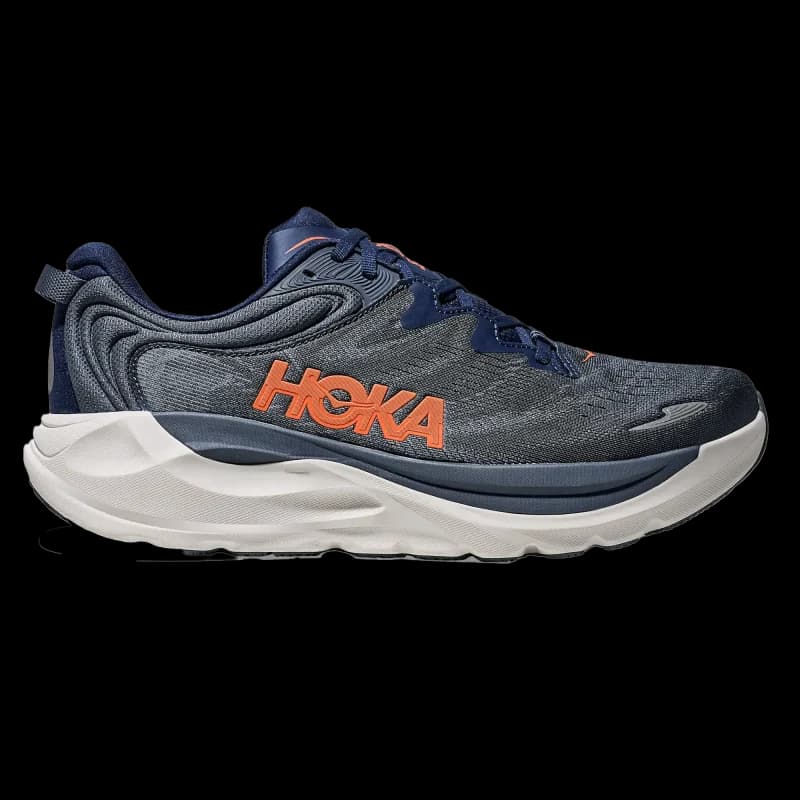 Hoka Gaviota 6 Hoka Gaviota 6 | 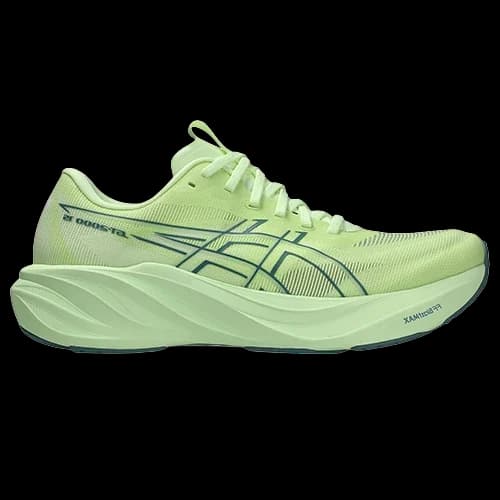 ASICS GT-2000 15 ASICS GT-2000 15 | 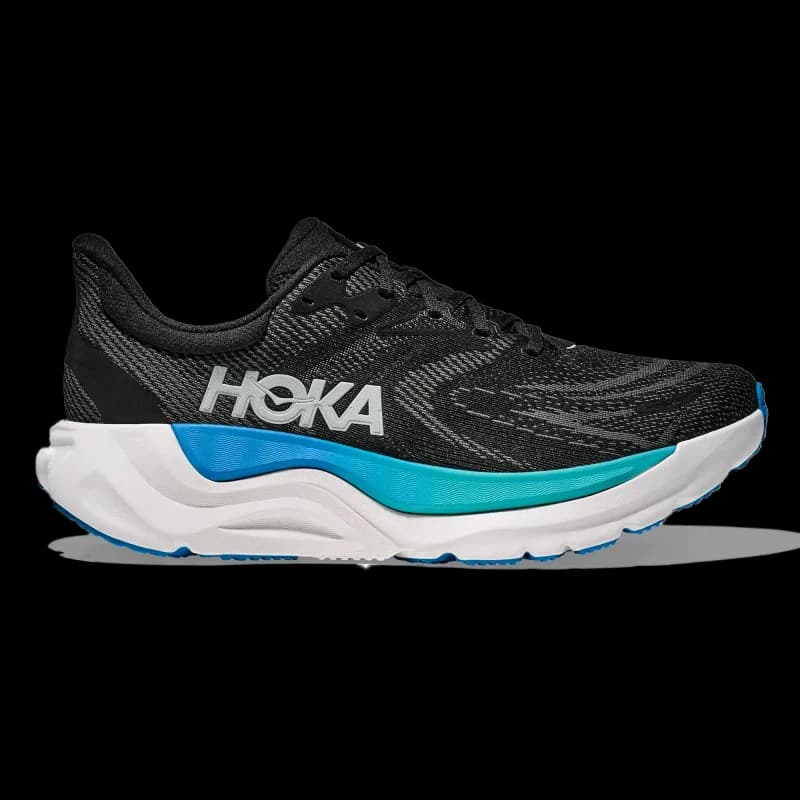 Hoka Arahi 8 Hoka Arahi 8 | 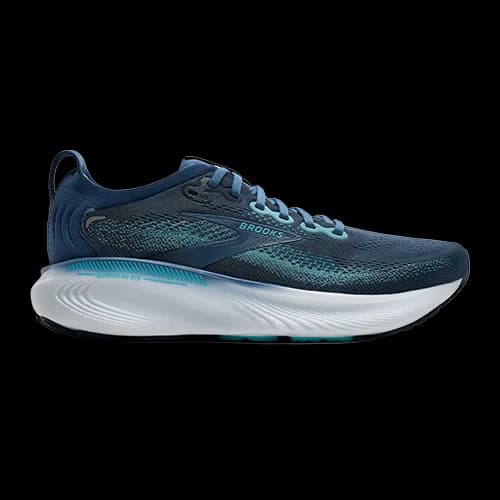 Brooks Adrenaline GTS 25 Brooks Adrenaline GTS 25 | |
|---|---|---|---|---|---|
| Pick it for | This page | More stable | Faster | Lighter | Higher drop |
| Drop | 8 mm | 6 mm | 8 mm | 8 mm | 10 mm |
| Heel stack | 39 mm | 39 mm | 37 mm | 41 mm | 37 mm |
| Weight | 284 g | 283 g | 249 g | 264 g | 301 g |
| Support | Stability | Stability | Stability | Stability | Stability |
Questions runners ask
What is the difference between the Arahi 8 and the Arahi 9?
The Arahi 9 gets an enhanced H-Frame, a reworked upper and better grip. RunRepeat measured it more flexible and about 8 percent heavier than the Arahi 8, with energy return still modest. The guidance idea is unchanged.
Arahi 9 or Gaviota 6?
Choose the Arahi 9 if your foot rolls in a little and you want soft, light guidance. RunRepeat point runners with marked overpronation to the Gaviota 6, which gives firmer, stronger support.
Arahi 9 or GT-2000 15?
Both are light-guidance trainers. RunRepeat suggest the GT-2000 15 to anyone who wants more rebound than the Arahi 9 gives. The Arahi stays the softer, rockered option for easy miles.
Does the Hoka Arahi 9 fit true to size?
RunRepeat’s reader vote says true to size, but it is based on few votes. The standard toe box measured narrower than average, so check the width before you settle on a size.
Is the Arahi 9 available in wide?
Yes. Fleet Feet offer regular, wide (2E) and extra wide (4E). Running Warehouse list regular and wide. Availability in Europe varies by retailer.
Is the Arahi 9 good for flat feet?
Flat feet do not always mean the foot rolls in when you run. If it does, a little, the Arahi 9’s H-Frame guides it without a rigid post. It is a comfort and guidance shoe, not a treatment, so persistent pain is a matter for a health professional.
Is the Hoka Arahi 9 heavy?
Heavier than before, light for its category. RunRepeat weighed it at 278 g (9.8 oz), about 8 percent more than the Arahi 8. Running Warehouse give 275 g for a men’s US 9, which still puts it 13th lightest of the 37 road stability shoes in our catalogue weighed in that size.
Sources
- RunRepeat, HOKA Arahi 9 lab review (September 2026). Accessed Oct 9, 2026.
- Fleet Feet, Men’s HOKA Arahi 9. Accessed Oct 9, 2026.
- Running Warehouse, HOKA Arahi 9 Men’s Shoes. Accessed Oct 9, 2026.
- Runnea, HOKA Arahi 9. Accessed Oct 9, 2026.
- Strideprint, Strideprint running shoe catalogue (ranks computed on 2026-10-11). Accessed Oct 11, 2026.
- cat: Strideprint catalogue, 395 shoes
How we review. We read published tests, brand and retailer pages and lab measurements, cross-check the figures and flag where they disagree. We did not test this shoe ourselves. Last updated October 12, 2026.