 Adidas
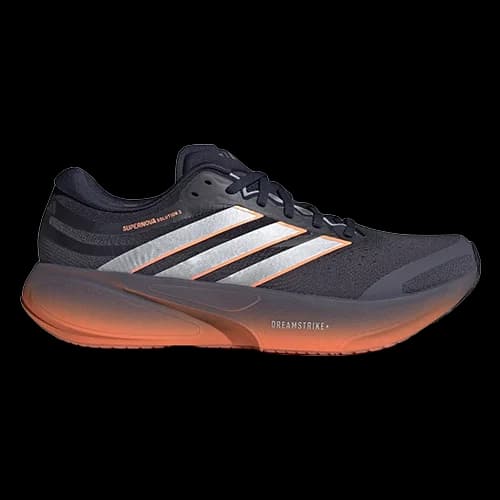
Supernova Solution
Full specs coming soonAdidas Supernova Solution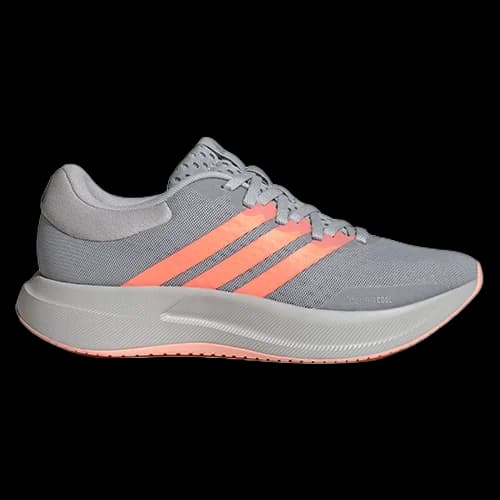 Adidas
Treadmove
Full specs coming soonAdidas Treadmove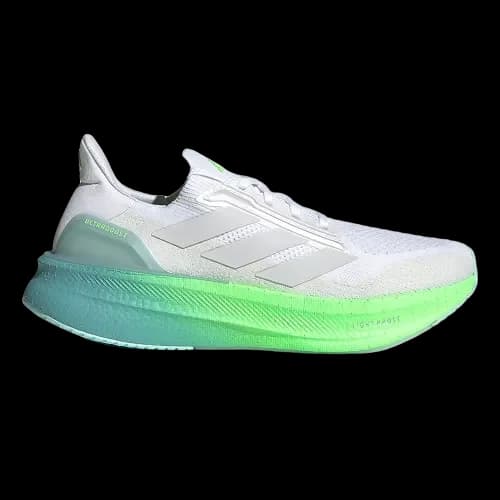 Adidas
Ultraboost 5 X
Full specs coming soonAdidas Ultraboost 5 X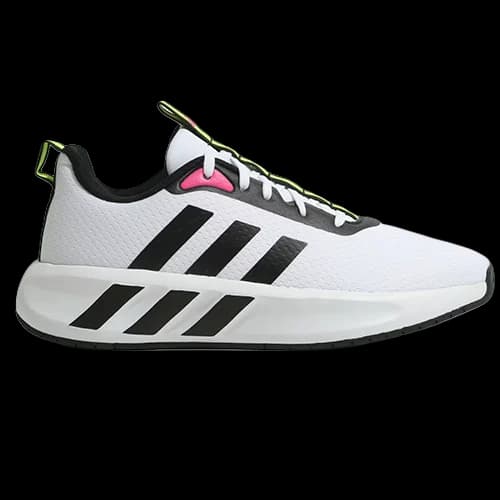 Adidas
Vac Run
Full specs coming soonAdidas Vac Run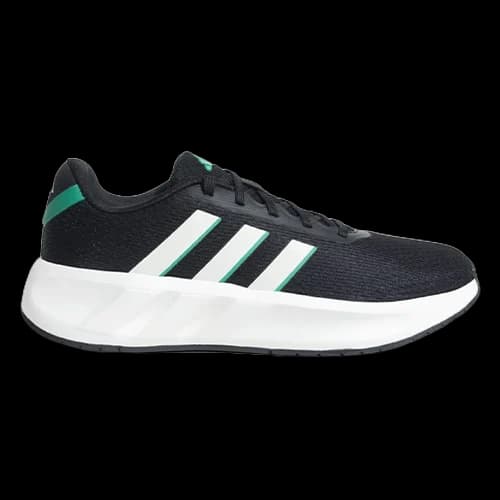 Adidas
Vac-Run 2
Full specs coming soonAdidas Vac-Run 2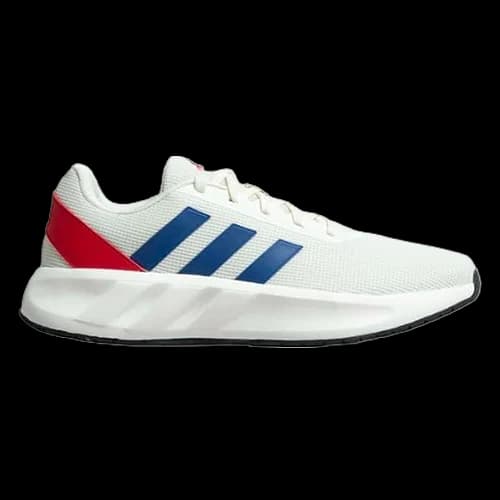 Adidas
Vacfast 2
Full specs coming soonAdidas Vacfast 2AI stride analysis
Which pair is your perfect fit?
10 seconds of video from behind. Your stride, measured. Your pairs, ranked.
Find my perfect fit- No app
- Any phone
- Report in minutes
 Adidas
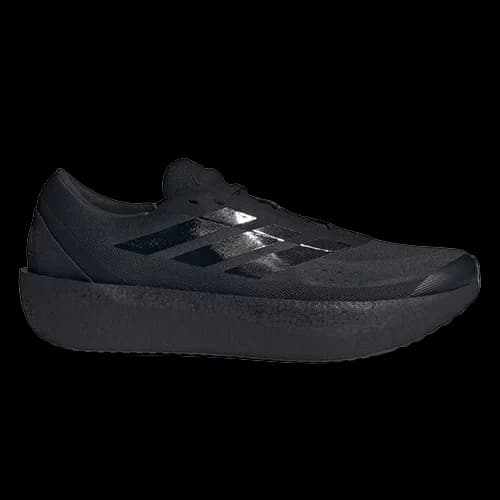
Zenboost
Full specs coming soonAdidas Zenboost
Where to start.
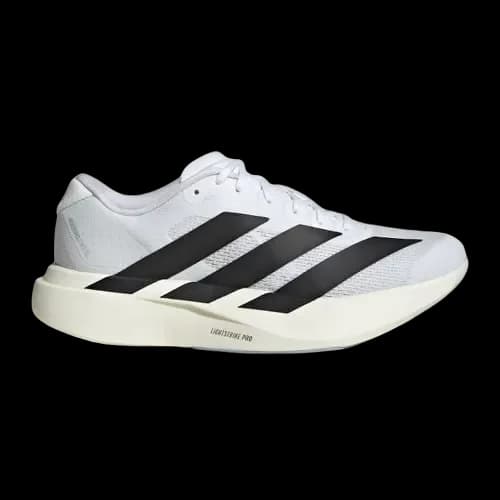 The fast all-rounderAdidas Adizero Evo SL
Race-shoe Lightstrike Pro foam without a carbon plate, at home on daily runs and tempo work.[1]
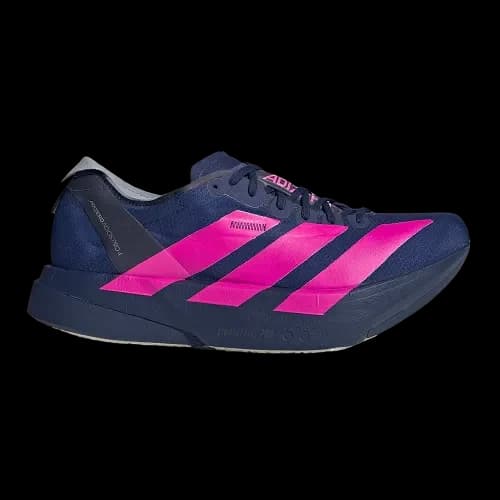 The marathon racerAdidas Adizero Adios Pro 4
Lightstrike Pro and carbon Energy Rods, aimed at 5K to marathon racing.[2]
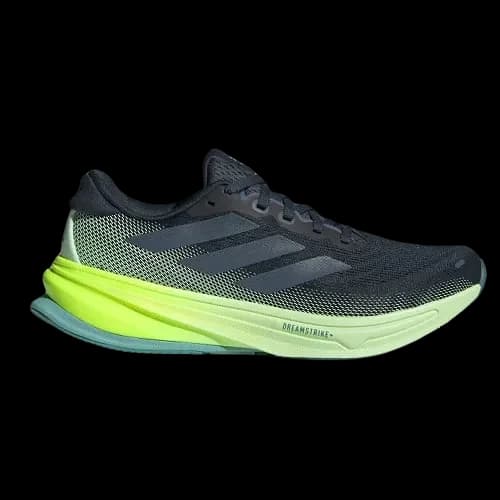 The daily trainerAdidas Supernova Rise 2
Dreamstrike+ foam on a moderate stack, a flexible everyday shoe that suits heel strikers.[3]
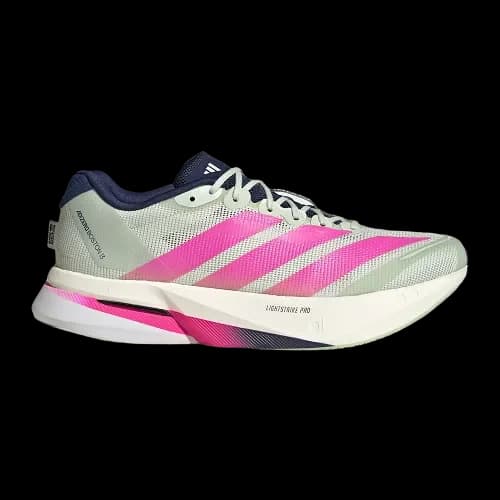 The tempo trainerAdidas Adizero Boston 13
Stiffened by Energy Rods for tempo runs and the occasional race.[4]
How the adidas range is built
Adizero is the performance family. At the top, the Adios Pro racers pair Lightstrike Pro foam with Energy Rods, carbon-infused rods in place of a single plate. Below them, the Boston is a stiffer tempo trainer, and the Evo SL brings the same Lightstrike Pro foam into a plate-free shoe for everyday and faster running.
Supernova is the everyday family, built around Dreamstrike+ foam. The Rise is the neutral daily trainer, and the Solution adds Support Rods and a flared heel for runners who want light stability. The Boost shoes, led by the Ultraboost, lean toward comfort and all-day wear rather than pace.[1][2][3][4][5][6]
Where adidas suits your stride
The Adizero racers and the Boston work best for midfoot and forefoot strikers. Lab reviewers point to narrow heels that can feel unstable for runners who land far back on the heel. The Supernova Rise, Supernova Solution and Ultraboost are the friendlier options for heel strikers.
Support is light across the brand. Even the Solution is described as closer to a stable neutral shoe than a true stability model, so runners whose foot rolls in a lot may need to look further.[2][3][4][5][6]
Speed without a plate
The Evo SL is the reason many runners look at adidas today: race foam, no carbon plate, and a shape that stays usable at easy paces. It suits runners who dislike plated shoes but want a lively feel. It is not a stability shoe.[1]
Let your stride pick the line
The right adidas depends on how you land and what you train for. The same runner can need a Supernova for the easy days and an Adizero for the fast ones. A fitting from a short video of you running shows which family fits your stride before you choose a model.
The lines, explained.
- Racing
Adizero racing
The Adios Pro family combines Lightstrike Pro foam with carbon Energy Rods for 5K to marathon racing. The Takumi Sen is the lower, lighter option for shorter races.[2]
Adizero Adios Pro 4, Adizero Adios Pro 5, Adizero Adios Pro Evo 2, Adizero Adios Pro Evo 3, Adizero Takumi Sen 11
- Speed and versatile
Adizero training
The Boston is a stiff tempo trainer, the Evo SL a plate-free shoe with race foam for daily and faster runs.[1][4]
Adizero Evo SL, Adizero Evo SL Exo, Adizero Boston 13, Adizero SL 2, Adizero Adios 9
- Daily and light support
Supernova
Dreamstrike+ foam for everyday mileage. The Solution adds Support Rods for light stability.[3][6]
Supernova Rise 2, Supernova Rise 3, Supernova Prima 2, Supernova Solution 2, Supernova Solution 3
- Comfort
Boost
Light Boost foam and a Torsion System, for easy runs and all-day wear more than for pace.[5]
AI stride analysis
Which pair is your perfect fit?
10 seconds of video from behind. Your stride, measured. Your pairs, ranked.
Find my perfect fit- No app
- Any phone
- Report in minutes

Questions runners ask.
What is the difference between Adizero and Supernova?
Adizero is the adidas performance family, from the Adios Pro racers to the Boston tempo trainer and the Evo SL. Supernova is the everyday family built on Dreamstrike+ foam, with the Rise as a neutral daily trainer and the Solution adding light support.[1][3][4][6]
Does the adidas Evo SL have a carbon plate?
No. The Adizero Evo SL uses the Lightstrike Pro foam of the Adios Pro racers but has only a plastic shank in the midfoot, no carbon plate. Lab reviewers rate it for daily running and tempo work, and point to it for runners who dislike plated shoes.[1]
Does adidas make stability running shoes?
Yes, in the Supernova family. The Supernova Solution adds Support Rods, a stiff heel counter and a flared heel. Lab reviewers describe it as closer to a stable neutral shoe than a full stability model, so it suits runners who need light guidance.[6]
Are adidas racing shoes good for heel strikers?
Usually less so. Lab reviewers find the Adios Pro 4 and the Boston 13 work best for midfoot and forefoot strikers, as their narrow heels can feel unstable for a heel landing. Heel strikers often get on better with the Supernova Rise or the Ultraboost.[2][3][4][5]
Is the Ultraboost a running shoe?
It is built for running, with Light Boost foam and a Torsion System, but lab reviewers place it on easy daily runs and everyday wear. It falls short at fast paces, so it suits comfort-first runners more than anyone chasing times.[5]
Keep looking.
Sources
- RunRepeat, adidas Adizero EVO SL review
- RunRepeat, adidas Adizero Adios Pro 4 review
- RunRepeat, adidas Supernova Rise 2 review
- RunRepeat, adidas Adizero Boston 13 review
- RunRepeat, adidas Ultraboost 5 review
- RunRepeat, adidas Supernova Solution 2 review
Other brands we fit
Which Adidas? Ask your stride.
Ten minutes on your phone. $39, once.
Start your fitting