 ASICS
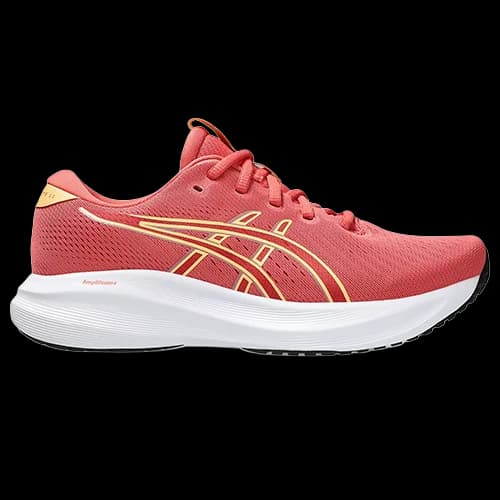
ASICSGel Excite 11
8 mm drop · 283 gASICS Gel Excite 11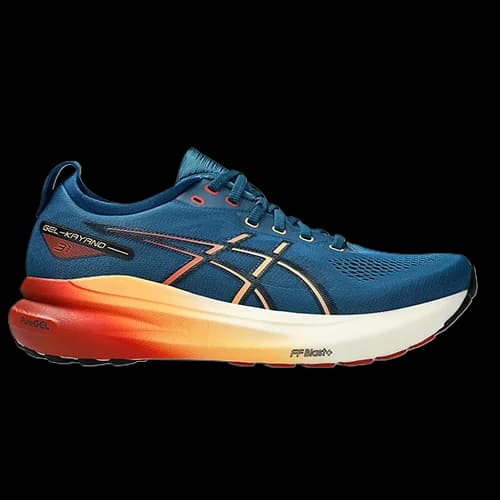 ASICS
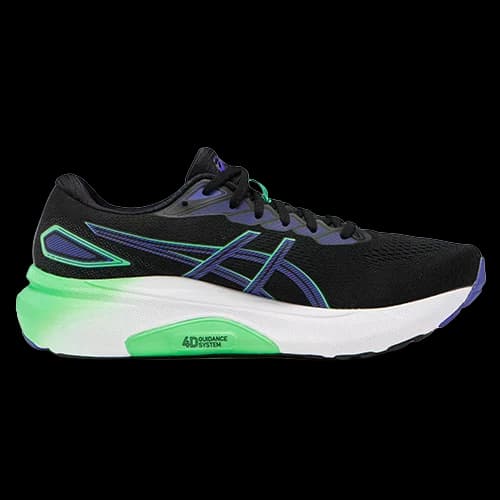
ASICSGel Kayano 31
10 mm drop · 40 mm heel · 305 gASICS Gel Kayano 31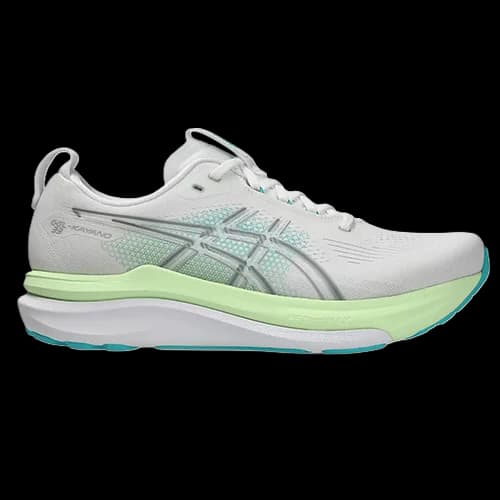 ASICS
ASICSGel Kayano 33
8 mm drop · 39 mm heel · 298 gASICS Gel Kayano 33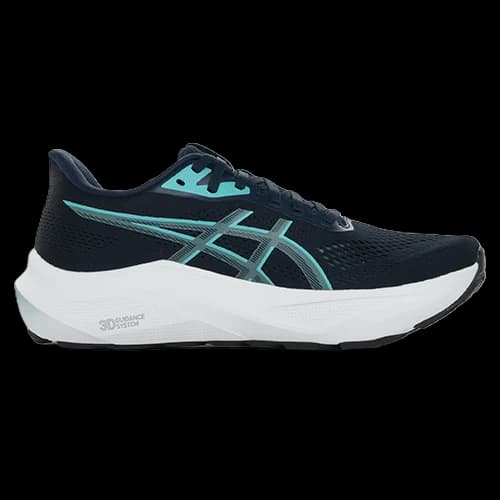 ASICS
ASICSGel Pursue 11
Full specs coming soonASICS Gel Pursue 11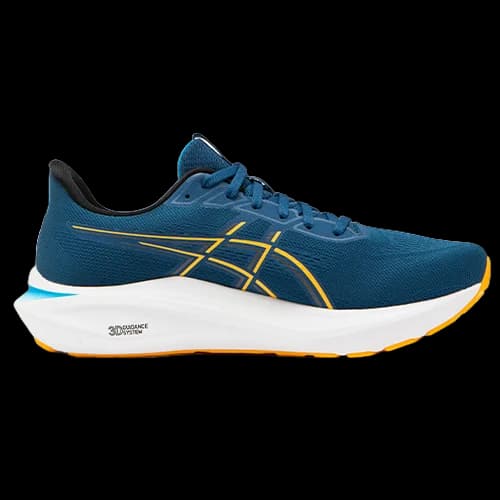 ASICS
ASICSGel Roadmiles 3
Full specs coming soonASICS Gel Roadmiles 3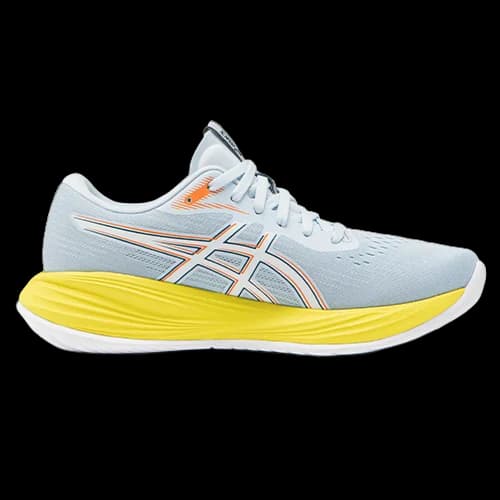 ASICS
ASICSGel Stratus 5
Full specs coming soonASICS Gel Stratus 5AI stride analysis
Which pair is your perfect fit?
10 seconds of video from behind. Your stride, measured. Your pairs, ranked.
Find my perfect fit- No app
- Any phone
- Report in minutes
 ASICS
ASICSGel Superion 8
Full specs coming soonASICS Gel Superion 8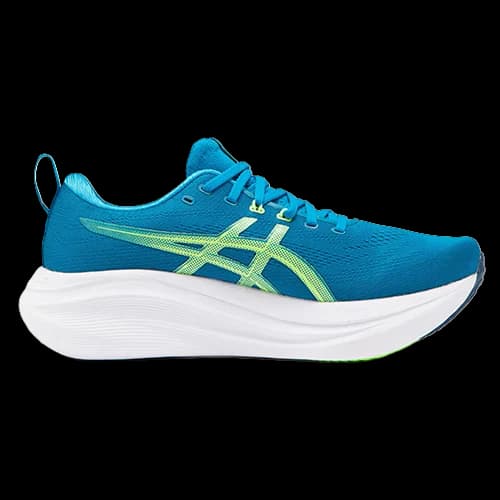 ASICS
ASICSGel Ziruss 9
Full specs coming soonASICS Gel Ziruss 9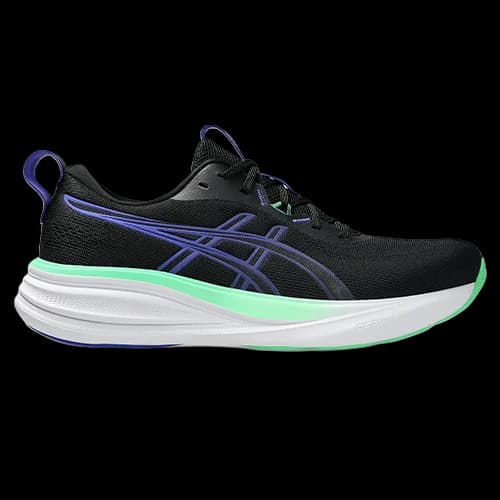 ASICS
ASICSGel-Pulse 17
8 mm drop · 270 gASICS Gel-Pulse 17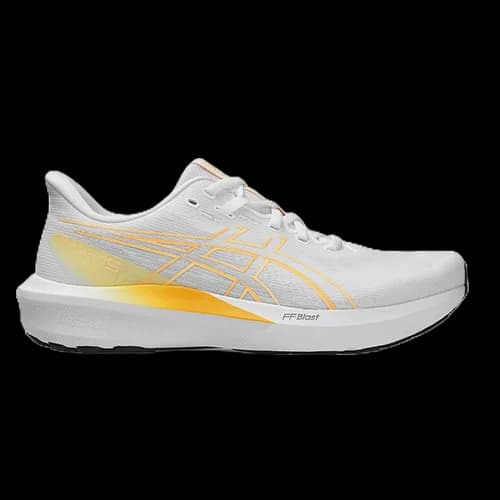 ASICS
ASICSGT-1000 15
8 mm drop · 261 gASICS GT-1000 15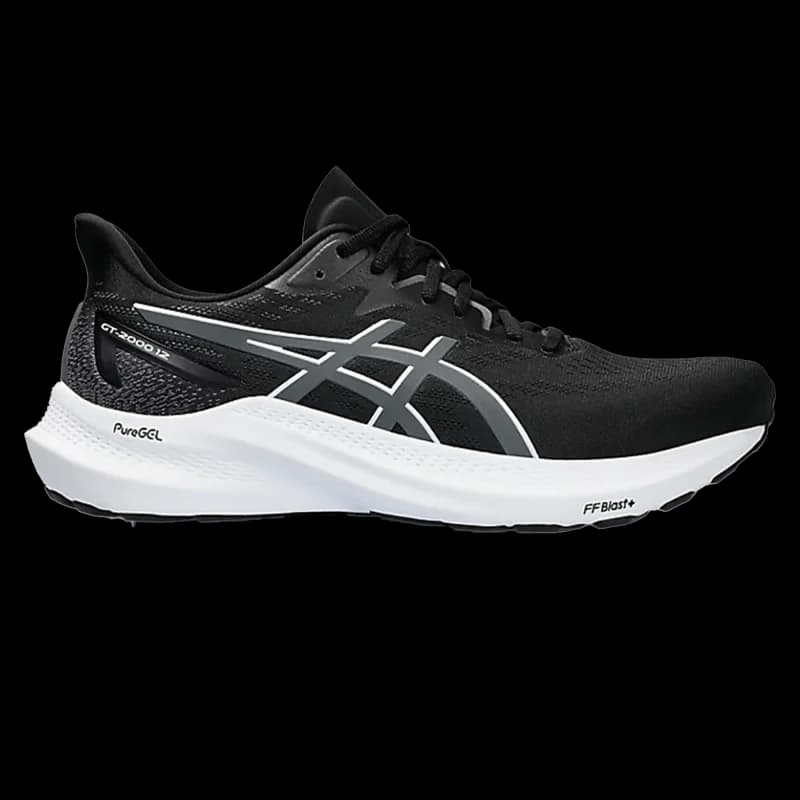 ASICS
ASICSGT-2000 12
8 mm drop · 36 mm heel · 269 gASICS GT-2000 12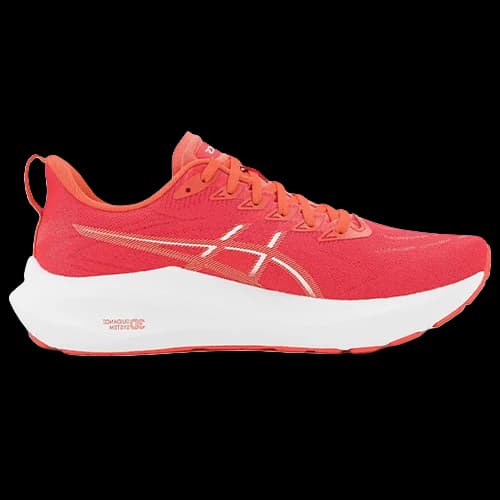 ASICS
ASICSGT-2000 13
8 mm drop · 36.5 mm heel · 275 gASICS GT-2000 13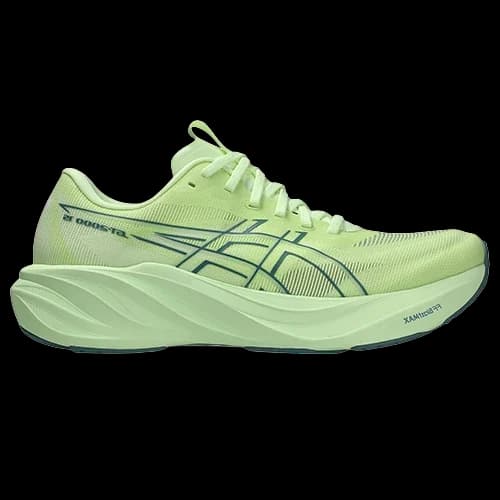 ASICS
ASICSGT-2000 15
8 mm drop · 37 mm heel · 249 gASICS GT-2000 15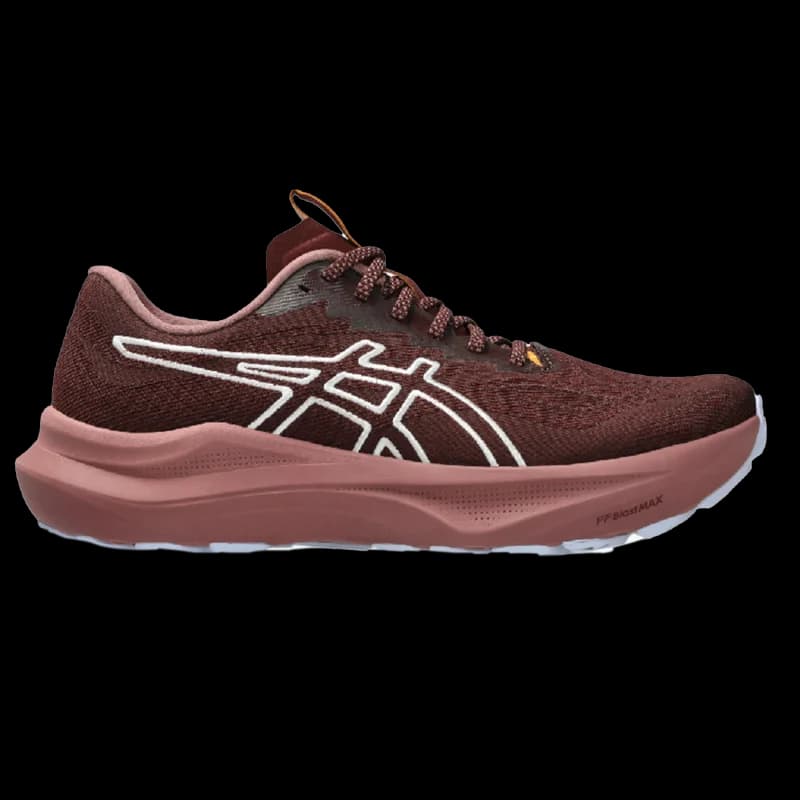 ASICS
ASICSGT-2000 TR
8 mm dropASICS GT-2000 TR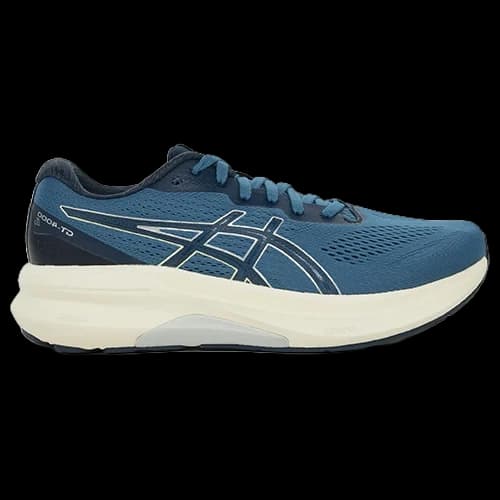 ASICS
ASICSGT-4000 4
8 mm drop · 39 mm heel · 272 gASICS GT-4000 4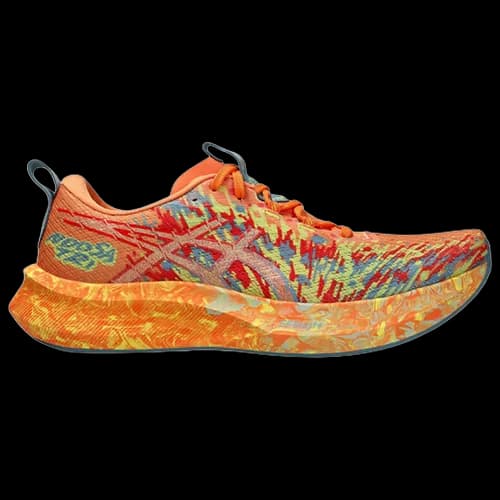 ASICS
ASICSNoosa Tri 16
5 mm drop · 215 gASICS Noosa Tri 16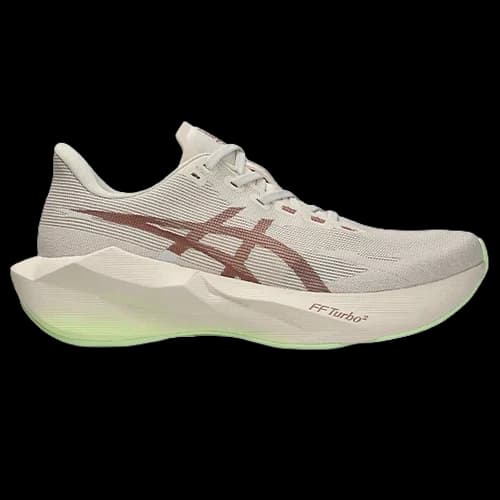 ASICS
ASICSNovablast 6
8 mm drop · 41.5 mm heel · 249 gASICS Novablast 6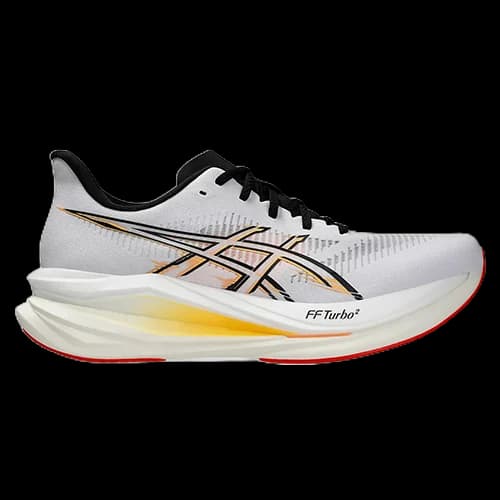 ASICS
ASICSSonicblast 2
8 mm drop · 46 mm heel · 238 gASICS Sonicblast 2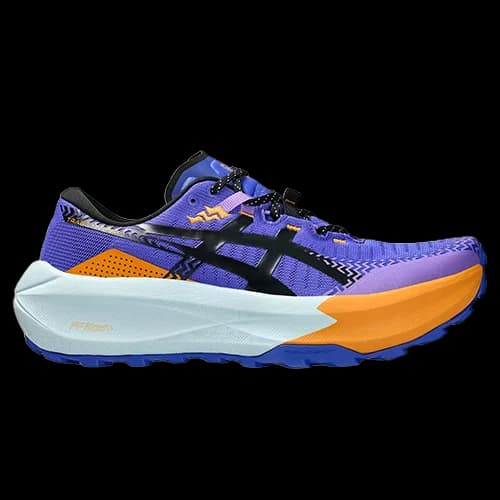 ASICS
ASICSTrabuco Max 5
5 mm drop · 294 gASICS Trabuco Max 5
Where to start.
- The versatile trainerASICS Novablast 6
The Blast family’s everyday shoe: bouncy foam, rocker shape, easy runs to pickups.[5]
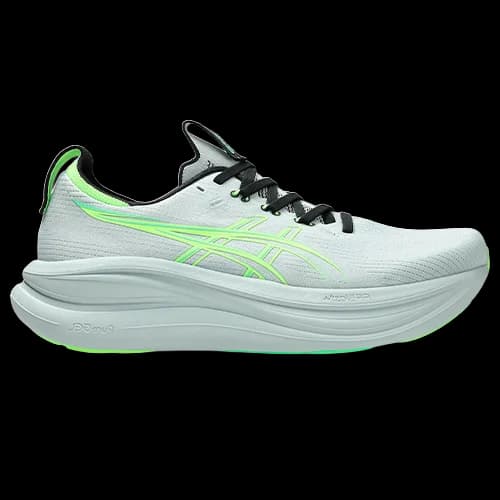 The cushioned neutralASICS Gel-Nimbus 28
ASICS’s premium max-cushioned neutral line: a tall stack and no guidance features.[3]
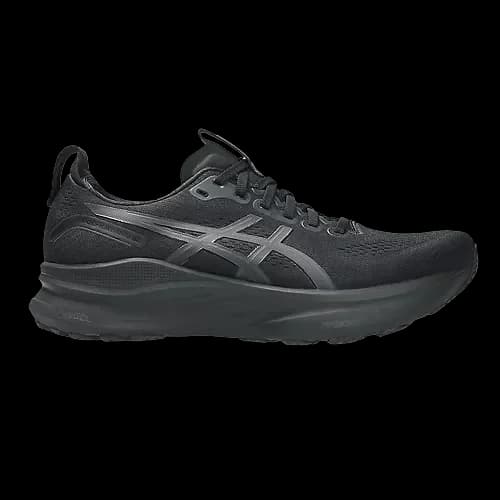 The premium support shoeASICS Gel Kayano 32
The stability counterpart to the Nimbus, guiding the foot with the 4D Guidance System.[2][7]
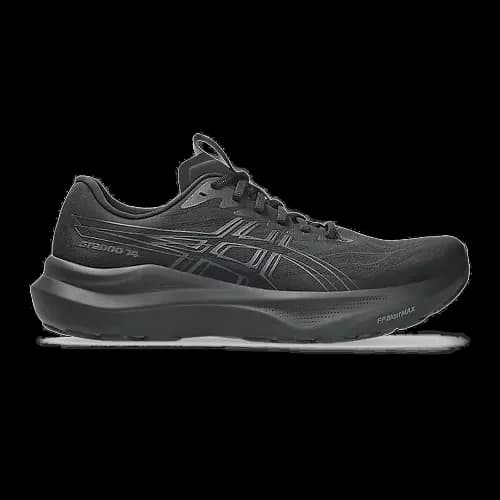 The lighter support shoeASICS GT-2000 14
Daily stability without an intrusive feel, best for lower-volume feet.[6]
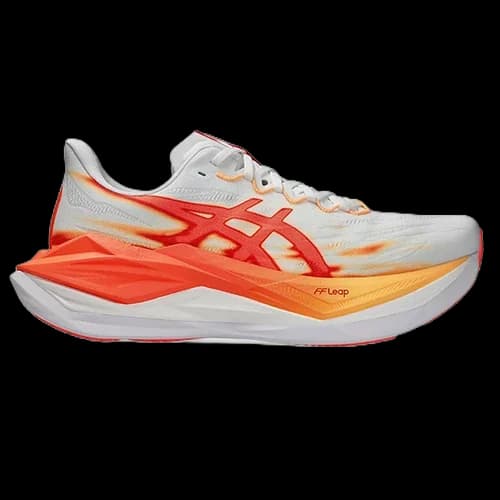 The fast cushioned trainerASICS Superblast 3
The Blast family’s most propulsive shoe, for long runs with some pace.[5]
How the ASICS range is built
ASICS was founded in Kobe in 1949, and its GEL cushioning dates back to 1986. The Gel-Kayano line, designed by Toshikazu Kayano, followed in 1993 and is still the brand’s best-known support shoe.
Today the road range falls into four groups. Support: the Gel-Kayano and the GT-2000. Cushioned neutral: the Gel-Nimbus at the top and the Gel-Cumulus as the entry point. The Blast family: Novablast for versatile daily running and Superblast for faster long runs. Racing: the carbon-plated Metaspeed shoes.[1][3][5]
Kayano, GT-2000 or Nimbus?
The Kayano is the stability counterpart to the Nimbus. Its 4D Guidance System uses a more resilient foam under the midfoot to keep the roll from heel to toe controlled rather than blocked, with PureGEL in the heel. The GT-2000 does a similar job with a wide base, supportive geometry and high midfoot sidewalls, in a lower, more modest package that lab testers find best for narrow, low-volume feet. The Nimbus has no guidance features: it is the tall, cushioned neutral shoe, and reviewers of the Nimbus 27 found it slightly firm and responsive rather than mushy.[2][3][6]
Metaspeed Sky or Edge?
ASICS splits its racers by running style: Sky for runners who lengthen their stride as they speed up, Edge for runners who raise their cadence. The Sky keeps a flat carbon plate, the Edge a curved one. Lab reviewers see the Sky as the steadier choice for midfoot and forefoot strikers.[4]
Let the stride decide
With this many support and neutral options, the risk at ASICS is picking a Kayano you do not need, or a Nimbus when your foot really rolls in. A fitting from a short video of you running shows how much your foot moves after landing, so you choose the line before the model.
Your shoe size and width matter too: lab testers flag some ASICS support models as better suited to narrow feet, so check each model page for fit notes.[6]
The lines, explained.
- Premium support
Gel-Kayano
The stability counterpart to the Nimbus, with the 4D Guidance System and PureGEL in the heel.[1][2]
- Daily support
GT-2000
Lighter-touch stability from a wide base, guiding geometry and midfoot sidewalls.[6]
- Cushioned neutral
Gel-Nimbus and Gel-Cumulus
The Nimbus is the premium max-cushioned neutral trainer, the Cumulus the entry-level cushioned option.[3]
Gel-Nimbus 28, Gel Nimbus 27, Gel Cumulus 28, Gel Cumulus 27
- Versatile and fast training
Blast family
Novablast for bouncy everyday running, Superblast for more propulsive long runs and faster days.[5]
- Racing
Metaspeed
Carbon-plated racers, split into Sky for stride-type runners and Edge for cadence-type runners.[1][4]
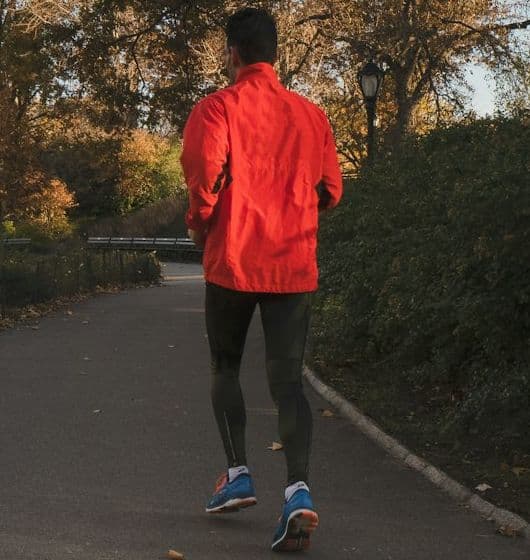
AI stride analysis
Which pair is your perfect fit?
10 seconds of video from behind. Your stride, measured. Your pairs, ranked.
Find my perfect fit- No app
- Any phone
- Report in minutes
Questions runners ask.
What is the difference between the ASICS Gel-Kayano and Gel-Nimbus?
The Gel-Kayano is the stability counterpart to the neutral Gel-Nimbus. The Kayano adds the 4D Guidance System, a more resilient midfoot foam that steadies the roll from heel to toe. The Nimbus is the premium max-cushioned neutral trainer with no guidance features.[2][3]
What is the difference between the GT-2000 and the Gel-Kayano?
Both are ASICS support shoes. The Kayano is the premium, more cushioned option. The GT-2000 guides the foot with a wide base, supportive geometry and midfoot sidewalls on a more modest platform, and lab testers find it best suited to narrow, low-volume feet.[2][6]
Which ASICS running shoe is the most versatile?
The Novablast is the usual answer. Reviewers found the Novablast 5 comfortable on easy runs yet capable of pickups and strides, thanks to its bouncy foam and rocker shape, and well suited to midfoot strikers. The Superblast adds more pace for long runs.[5]
Metaspeed Sky or Edge: which one should I choose?
ASICS designs the Sky for stride runners, who lengthen their step as they speed up, and the Edge for cadence runners, who take quicker steps. The Sky uses a flat carbon plate, the Edge a curved one. Knowing your own running style is the first step.[4]
Are ASICS running shoes good for overpronation?
ASICS has one of the broadest support ranges, with the GT-2000 and Gel-Kayano designed to guide a foot that rolls inward. No shoe changes how you run, and not every flat-footed runner overpronates, so check how your foot actually moves before choosing a support model.[2][6]
Keep looking.
Sources
- Wikipedia, Asics
- Doctors of Running, ASICS Gel-Kayano 31 Review
- Doctors of Running, ASICS Gel-Nimbus 27 Review
- RunRepeat, ASICS Metaspeed Sky Tokyo review
- Doctors of Running, ASICS Novablast 5 Review
- RunRepeat, ASICS GT 2000 14 review
- Doctors of Running, ASICS Gel-Kayano 32 Review
Other brands we fit
Which ASICS? Ask your stride.
Ten minutes on your phone. $39, once.
Start your fitting