 Adidas
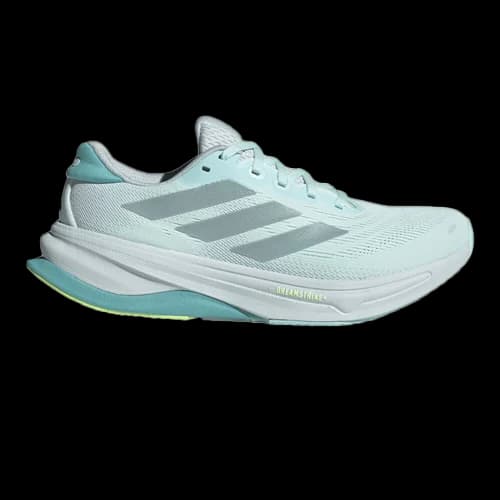
Supernova Solution 2
10 mm drop · 36 mm heel · 266 gAdidas Supernova Solution 2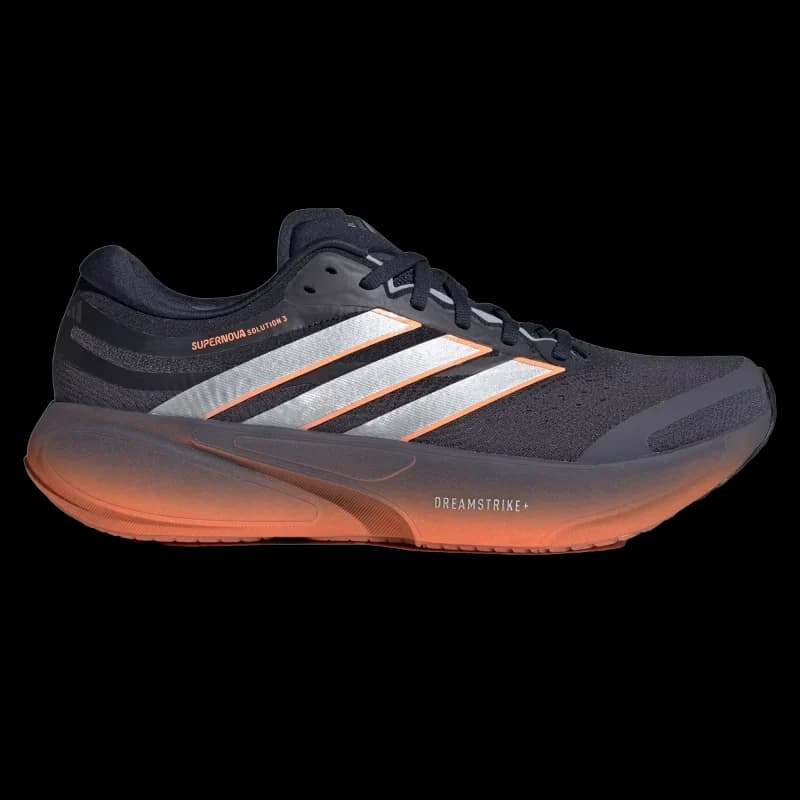 Adidas
Supernova Solution 3
8 mm drop · 36 mm heel · 280 gAdidas Supernova Solution 3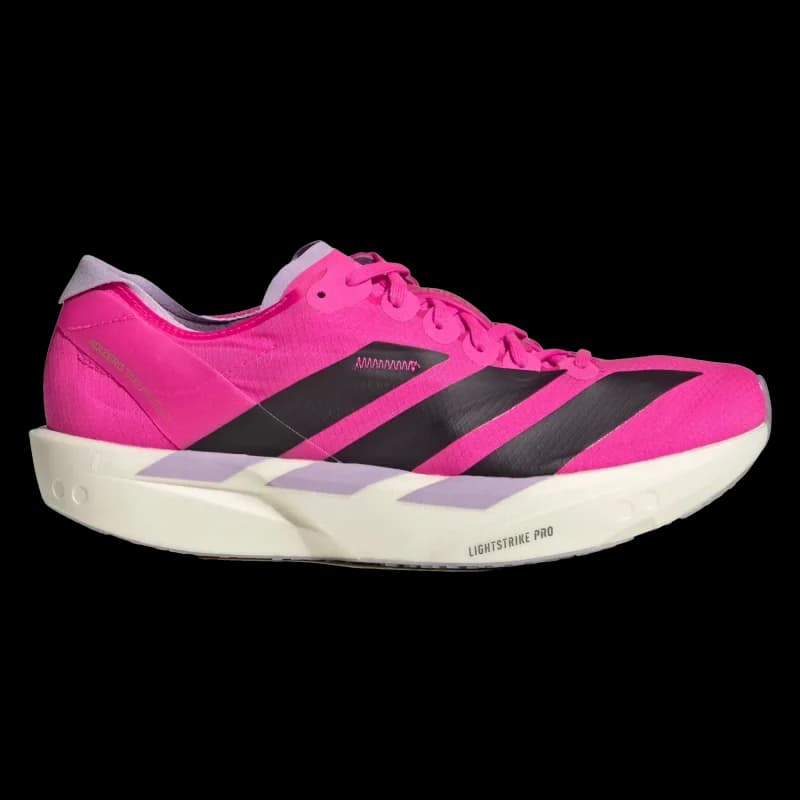 Adidas
Takumi Sen 10
6 mm drop · 33 mm heel · 198 gAdidas Takumi Sen 10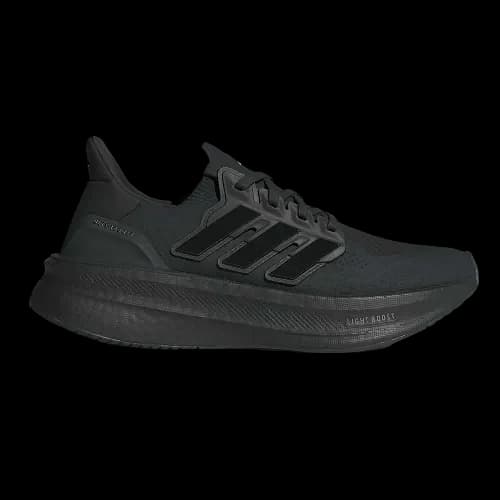 Adidas
Ultraboost 5
10 mm drop · 283 gAdidas Ultraboost 5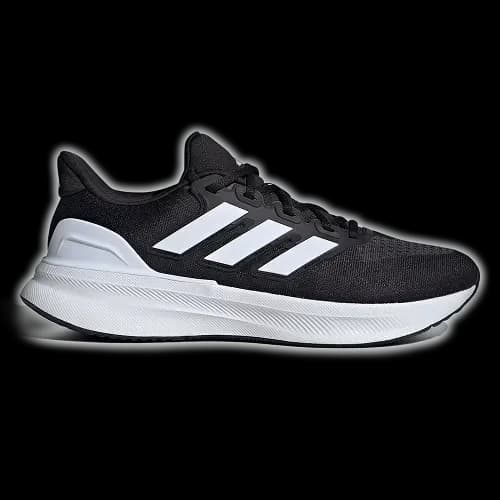 Adidas
Ultrarun 5
High dropAdidas Ultrarun 5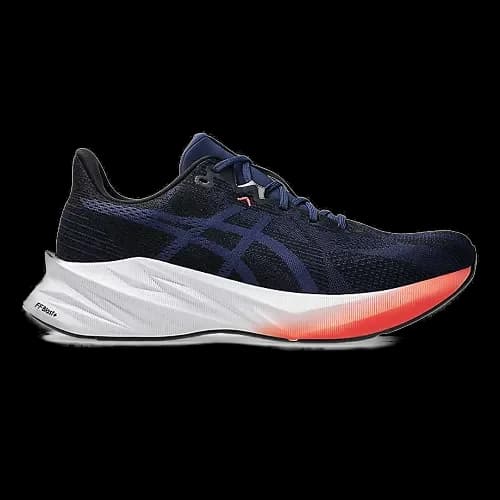 ASICS
ASICSDynablast 5
8 mm drop · 41 mm heel · 258 gASICS Dynablast 5AI stride analysis
Which pair is your perfect fit?
10 seconds of video from behind. Your stride, measured. Your pairs, ranked.
Find my perfect fit- No app
- Any phone
- Report in minutes
 ASICS
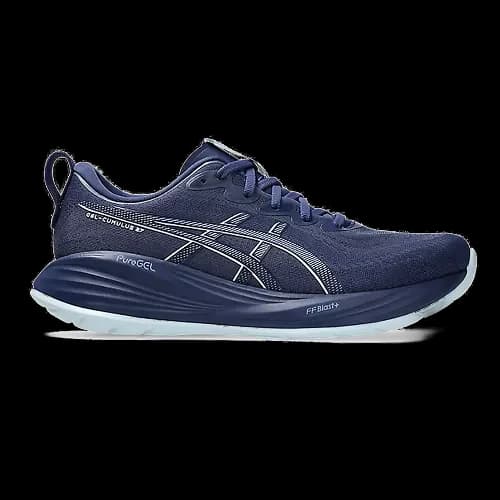
ASICSGel Cumulus 27
8 mm drop · 38.5 mm heel · 264 gASICS Gel Cumulus 27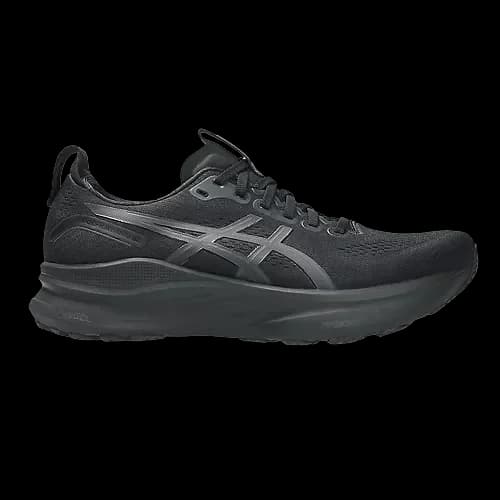 ASICS
ASICSGel Kayano 32
8 mm drop · 40 mm heel · 298 gASICS Gel Kayano 32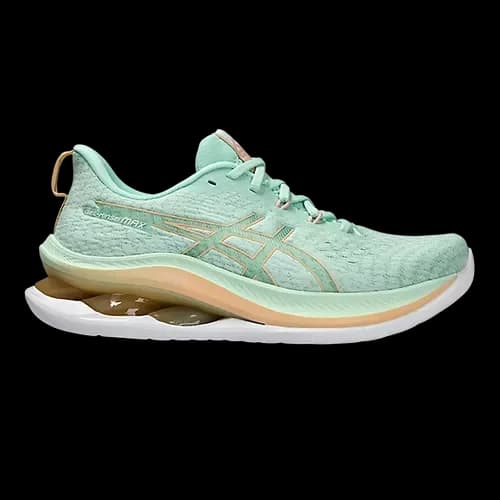 ASICS
ASICSGel Kinsei Max
8 mm drop · 333 gASICS Gel Kinsei Max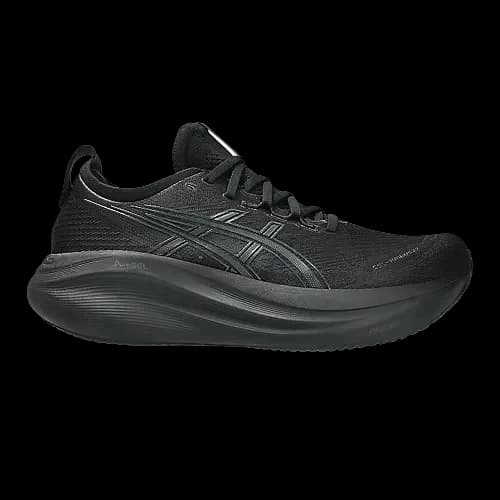 ASICS
ASICSGel Nimbus 27
8 mm drop · 43.5 mm heel · 306 gASICS Gel Nimbus 27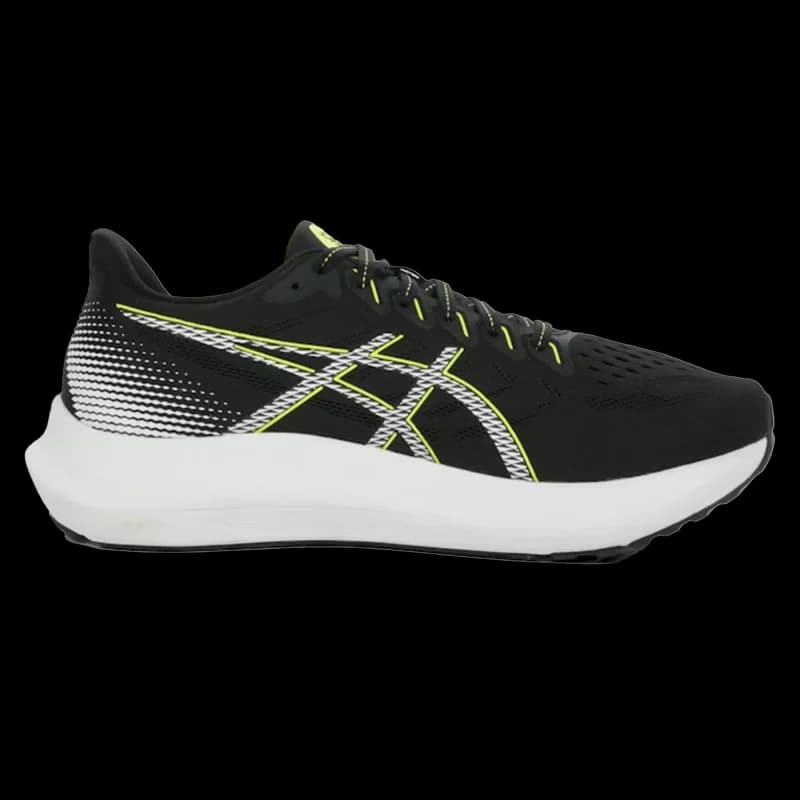 ASICS
ASICSGel Pursue 10
8 mm drop · 237 gASICS Gel Pursue 10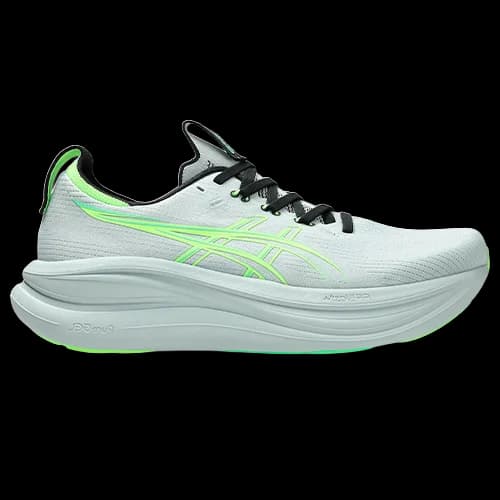 ASICS
ASICSGel-Nimbus 28
8 mm drop · 43.5 mm heel · 280 gASICS Gel-Nimbus 28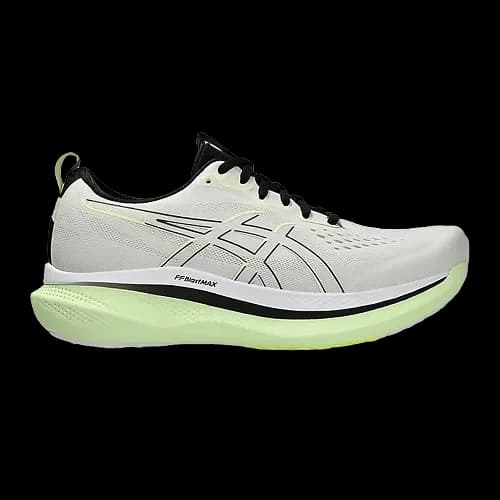 ASICS
ASICSGlideride Max
6 mm drop · 44 mm heel · 286 gASICS Glideride Max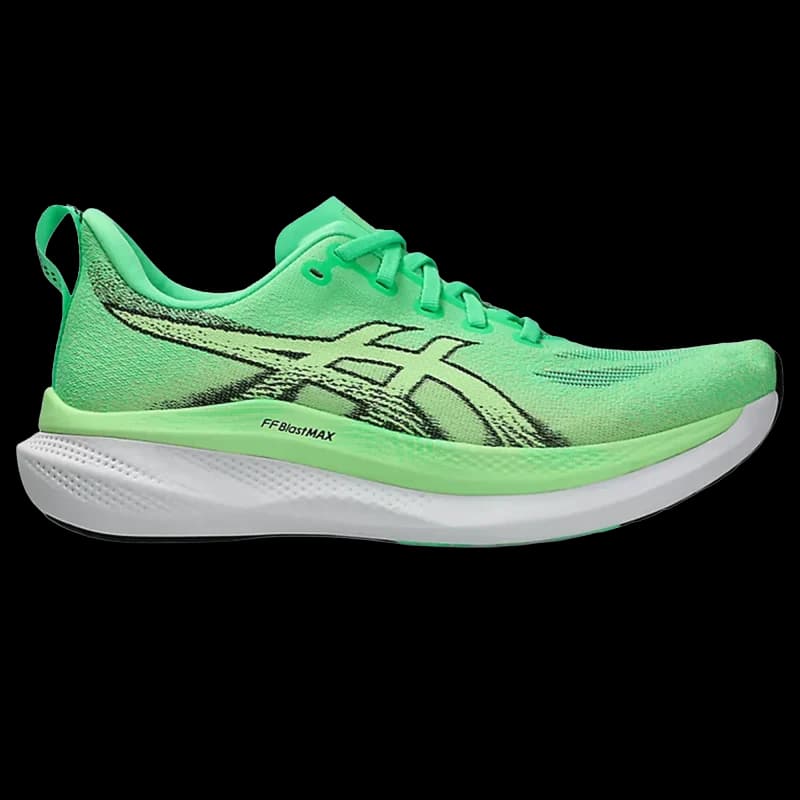 ASICS
ASICSGlideride Max 2
6 mm drop · 35.5 mm heel · 266 gASICS Glideride Max 2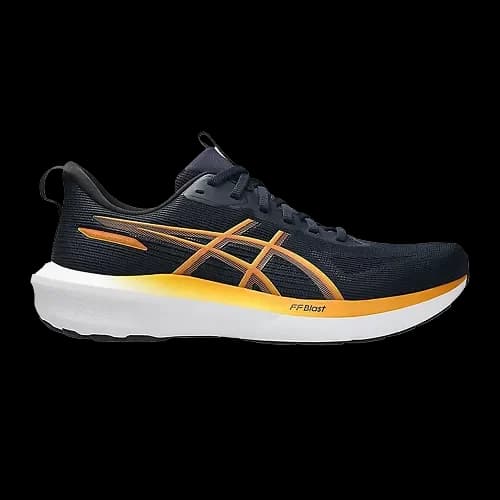 ASICS
ASICSGT-1000 14
8 mm drop · 264 gASICS GT-1000 14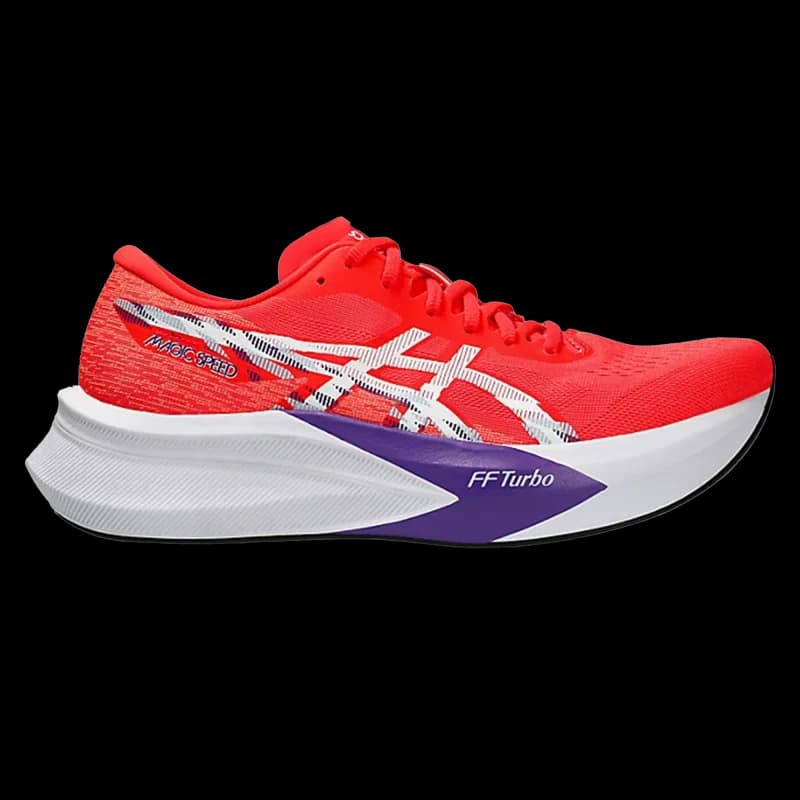 ASICS
ASICSMagic Speed 4
7 mm drop · 42.5 mm heel · 241 gASICS Magic Speed 4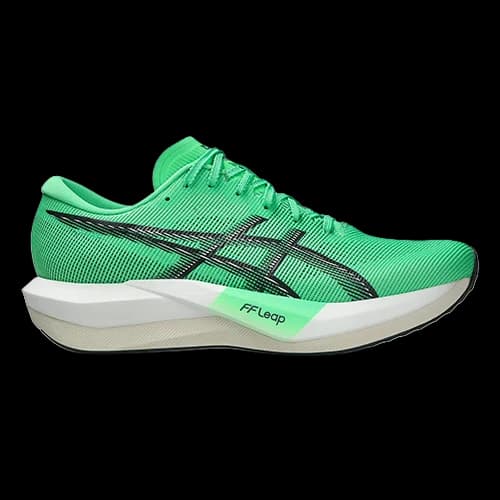 ASICS
ASICSMagic Speed 5
7 mm drop · 37.5 mm heel · 196 gASICS Magic Speed 5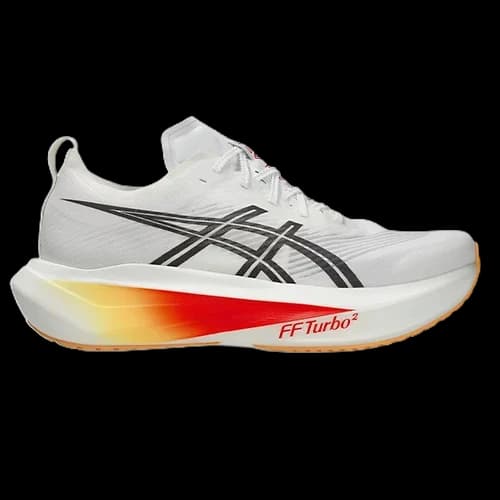 ASICS
ASICSMegablast
8 mm drop · 46 mm heel · 230 gASICS Megablast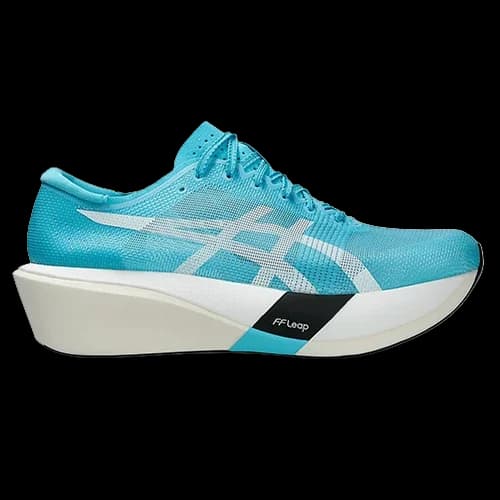 ASICS
ASICSMetaspeed Edge Tokyo
5 mm drop · 39.5 mm heel · 170 gASICS Metaspeed Edge Tokyo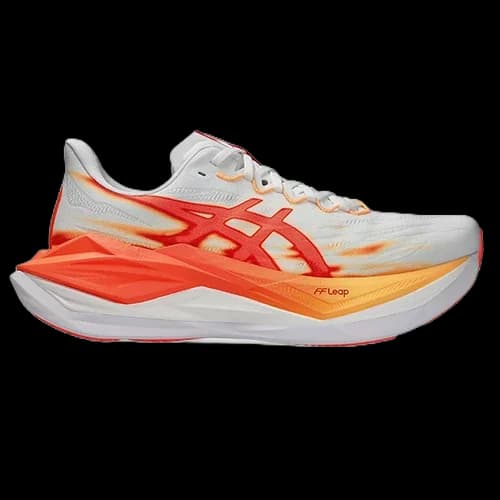 ASICS
ASICSMetaspeed Ray
5 mm dropASICS Metaspeed Ray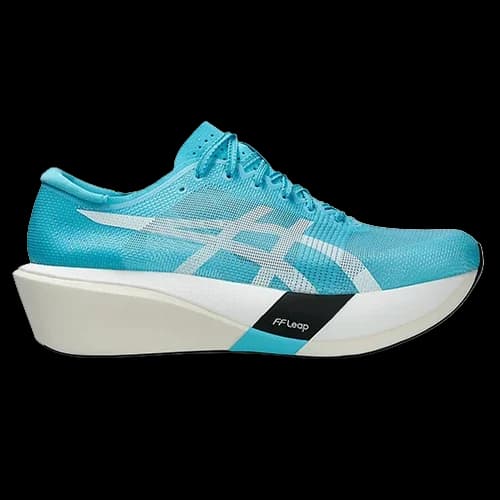 ASICS
ASICSMetaspeed Sky Tokyo
5 mm drop · 39.5 mm heel · 170 gASICS Metaspeed Sky Tokyo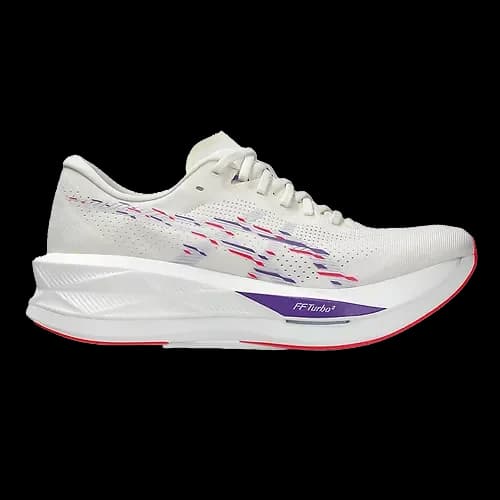 ASICS
ASICSSonicblast
8 mm drop · 46 mm heel · 255 gASICS Sonicblast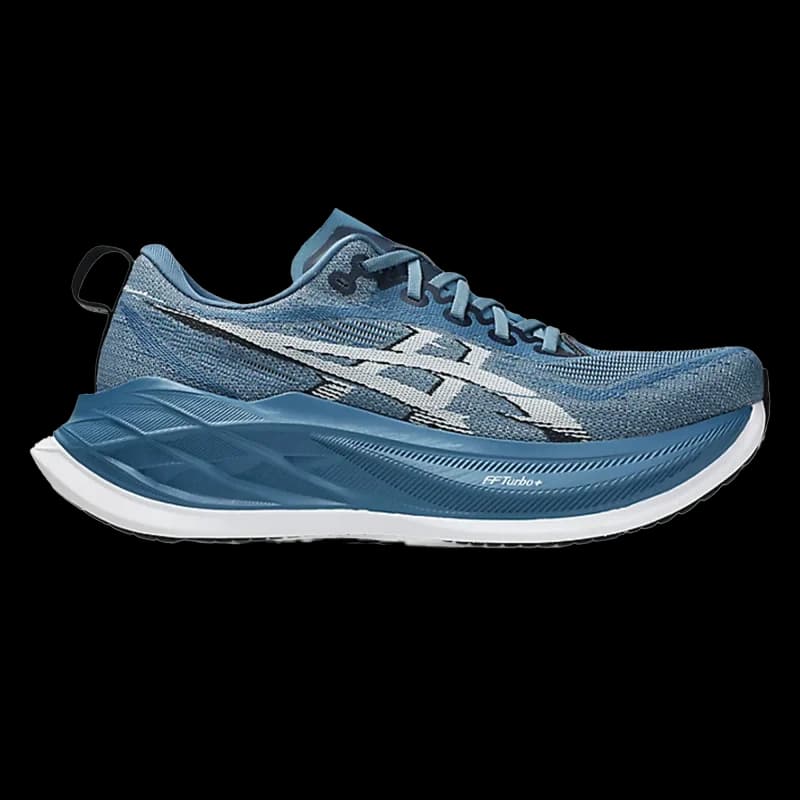 ASICS
ASICSSuperblast 2
8 mm drop · 45 mm heel · 247 gASICS Superblast 2
Running shoes, read by what they do for your stride.
This catalogue lists 395 running shoes from 33 brands. Each one is described by what it does under your foot: how much it guides a foot that rolls in, how high the heel sits, how deep and how firm the foam is, and whether a plate stiffens it. Nobody pays to be listed or to rank higher. Most fitted means the shoes our fittings recommend most often, nothing else. Shoes marked Specs coming soon are listed, but their fitting parameters are not measured yet.
Neutral or stability
A neutral shoe follows your stride. A stability shoe adds firmer foam or guide rails to slow a foot that rolls in. Most runners need less support than they think, and flat feet do not always roll in: what counts is how far your foot rolls while you run, not how it looks standing still. Too much support and you fight the shoe; too little and you feel it late in long runs. Browse neutral running shoes or stability running shoes, or read how to choose between them.
Daily, tempo or race
A daily trainer carries most of your weekly miles and favours comfort and durability. A tempo shoe is lighter and livelier for intervals and faster sessions. Racing shoes trade stability and lifespan for speed, often with a stiff plate, and suit some strides far better than others. Most runners need one good daily pair before anything else, and a second pair only once fast sessions become weekly.
Drop, cushion and plates, in plain words
Drop is the height difference between heel and forefoot: higher suits heel landings, lower asks more of your calves. Cushion is how much foam sits underfoot; firmness is how it pushes back. A plate stiffens the sole for a snappier toe-off. Shoe anatomy and tech goes deeper.
The brands we cover
33 brands, from the big names to smaller specialists. Each brand page shows its range sorted by stride: Adidas, ASICS, On, Brooks, Fila, Mizuno, New Balance, Puma.
Why a list can't pick your pair
Two runners can read the same spec sheet and need opposite shoes. What decides is how each of your feet lands and rolls, which a list cannot see, and left and right often differ. A shoe fitting films ten seconds of you running from behind, reads your stride, and ranks the shoes that suit it, with the reasons in plain words. See a sample report or how it works.
Running shoes, asked often.
What is a neutral running shoe?
A shoe with no added structure to stop your foot rolling inward. The foam is equally firm on both sides, so the shoe follows your natural stride. It suits most runners, whose foot rolls in only a little after landing.
What is a stability running shoe?
A shoe that guides a foot that rolls in a lot, with firmer foam on the inner side, guide rails or a wider base. It does not fix your foot; it slows the roll so each step stays on track, especially late in long runs.
What does a carbon plate do in a running shoe?
A stiff plate in the midsole makes the shoe bend less, so it rolls you onto your toes faster and feels snappier at pace. The benefit is biggest at race speeds; at easy paces it mostly adds stiffness and costs stability.
Which running shoes should I buy?
The ones that match how you land and roll, the runs you do most, and the cushion you enjoy. Start with a daily trainer at the right level of support. A fitting reads your stride from a short video and ranks the shoes that suit it.
Should I size up in running shoes?
Often by half a size, because feet swell on longer runs. Leave about a thumb's width in front of your longest toe. Sizing varies by brand and model, so check the brand page and try both sizes when you can.
Are popular running shoes right for me?
Not necessarily. A shoe is popular because it suits many runners, not because it suits your stride. The most fitted shoes in this catalogue are a good place to start, but only your own stride says which one fits.
Oh. That's my pair.
Ten minutes, $39. Know which shoes suit your stride before you choose.
Start your fitting